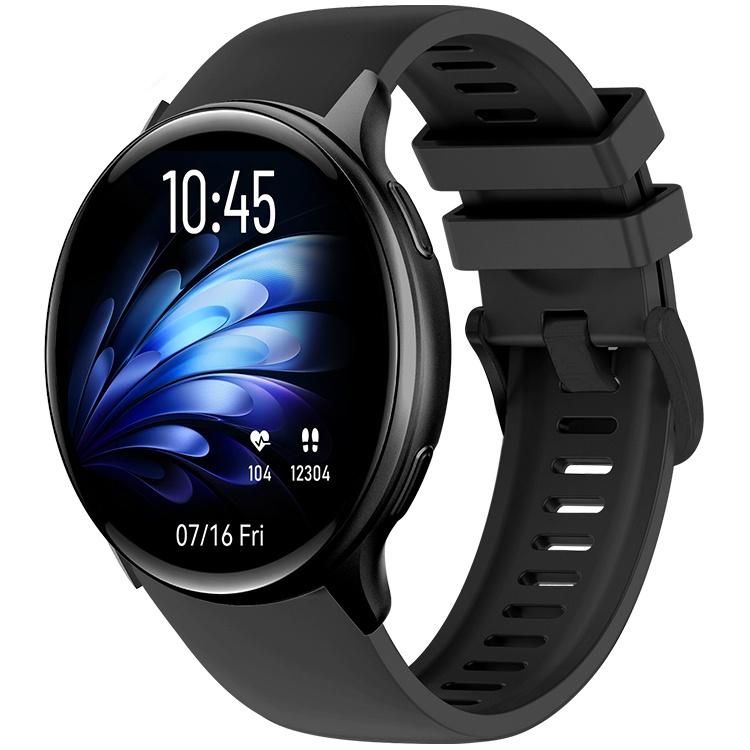
REXQU SummitCall
GPS route-planning features and Bluetooth calling on a 1.43″ AMOLED, with heart-rate, BP-wellness and SpO₂ features plus sport modes.
Bluetooth CallingGPS Route Planning100+ Sport Modes
4 Colors Available
$149.97
One GPS smartwatch that records the route, holds the bearing and still lasts the trip — no subscription.
A GPS smartwatch records where you actually went, not just how far. Compare REXQU GPS and hiking smartwatches for route recording, compass, altitude and other outdoor tools. Some models use built-in GPS, while others rely on a paired phone or app-connected track sync. Navigation, battery, sensor and phone-compatibility features vary by model, so check the individual product page before choosing.
Compare specs & pricesCompare GPS and hiking watches by navigation method, compass and altitude tools, battery, display, outdoor sensors and price.
GPS route-planning features and Bluetooth calling on a 1.43″ AMOLED, with heart-rate, BP-wellness and SpO₂ features plus sport modes.
4 Colors Available
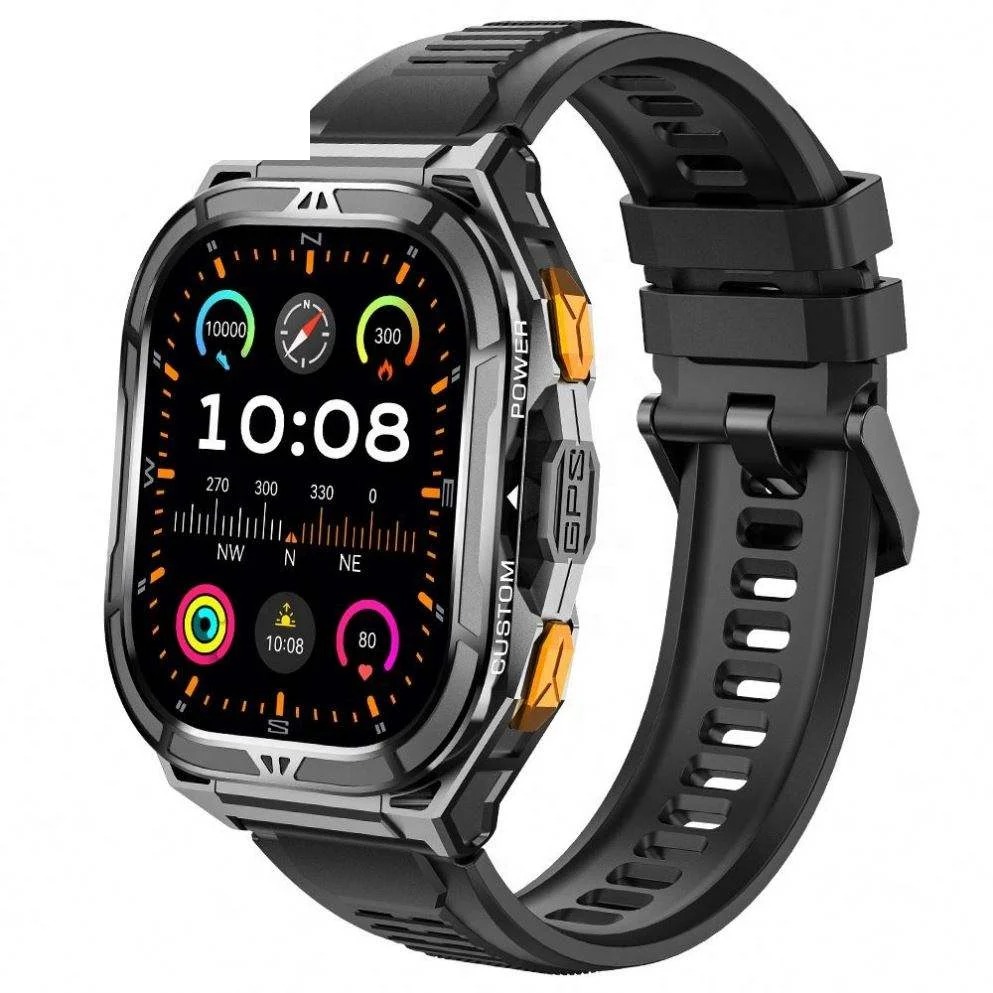
Built-in GPS, compass and barometer on a big 1.96″ AMOLED with up to 15-day battery and 100+ sport modes.
2 Colors Available
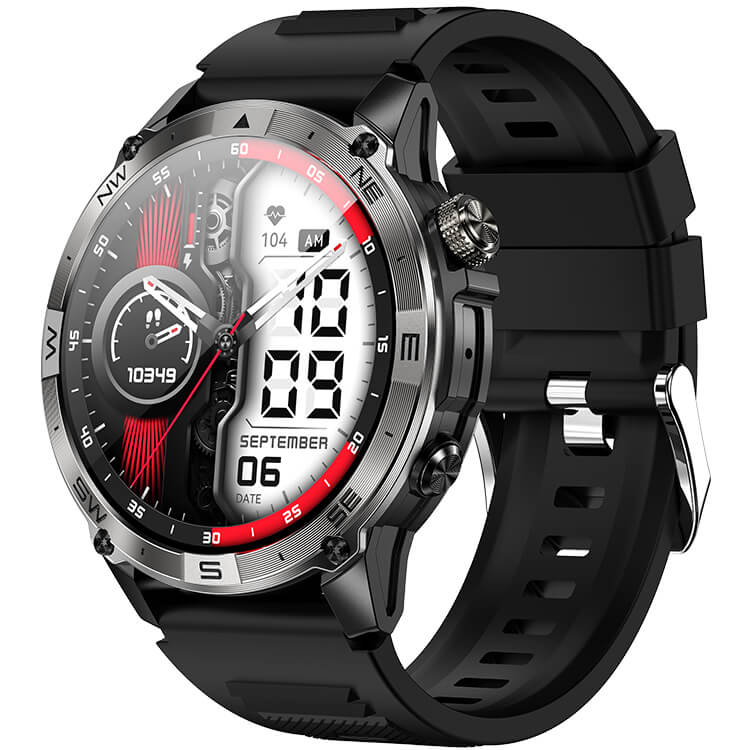
Built-in GPS with altimeter, barometer and compass tools on an IP68-rated body, plus a cold-weather mode.
2 Colors Available
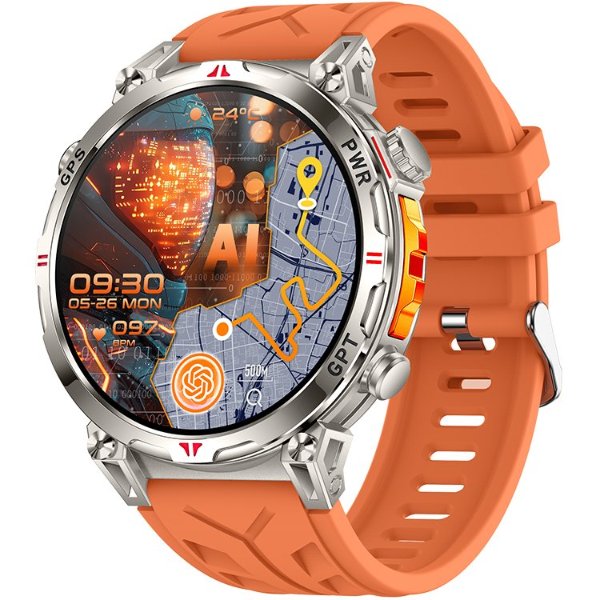
A navigation-focused model with multi-satellite GPS, route back-tracking, compass, altimeter and barometer on a 1.56″ AMOLED.
4 Colors Available
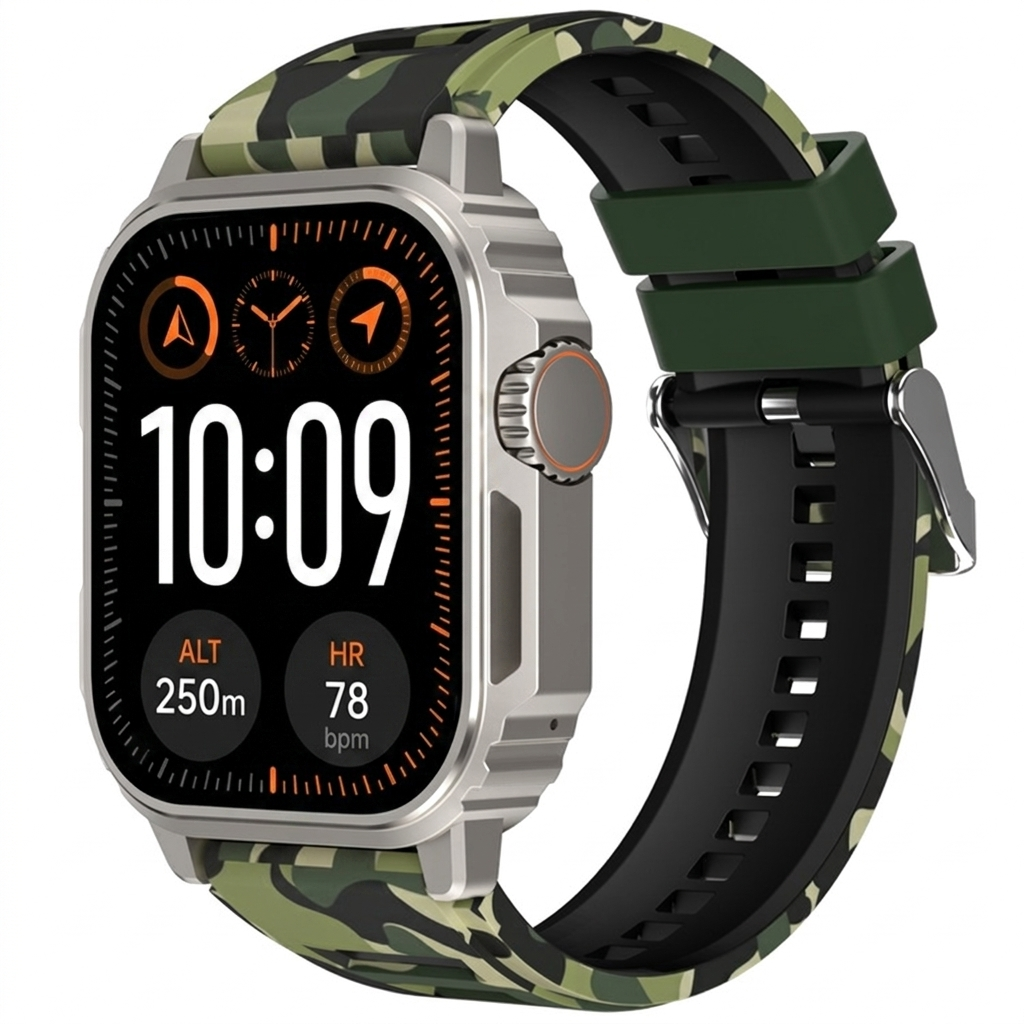
Compass, altitude and air-pressure readings with GPS track sync through the companion app, protected by Gorilla Glass.
2 Colors Available
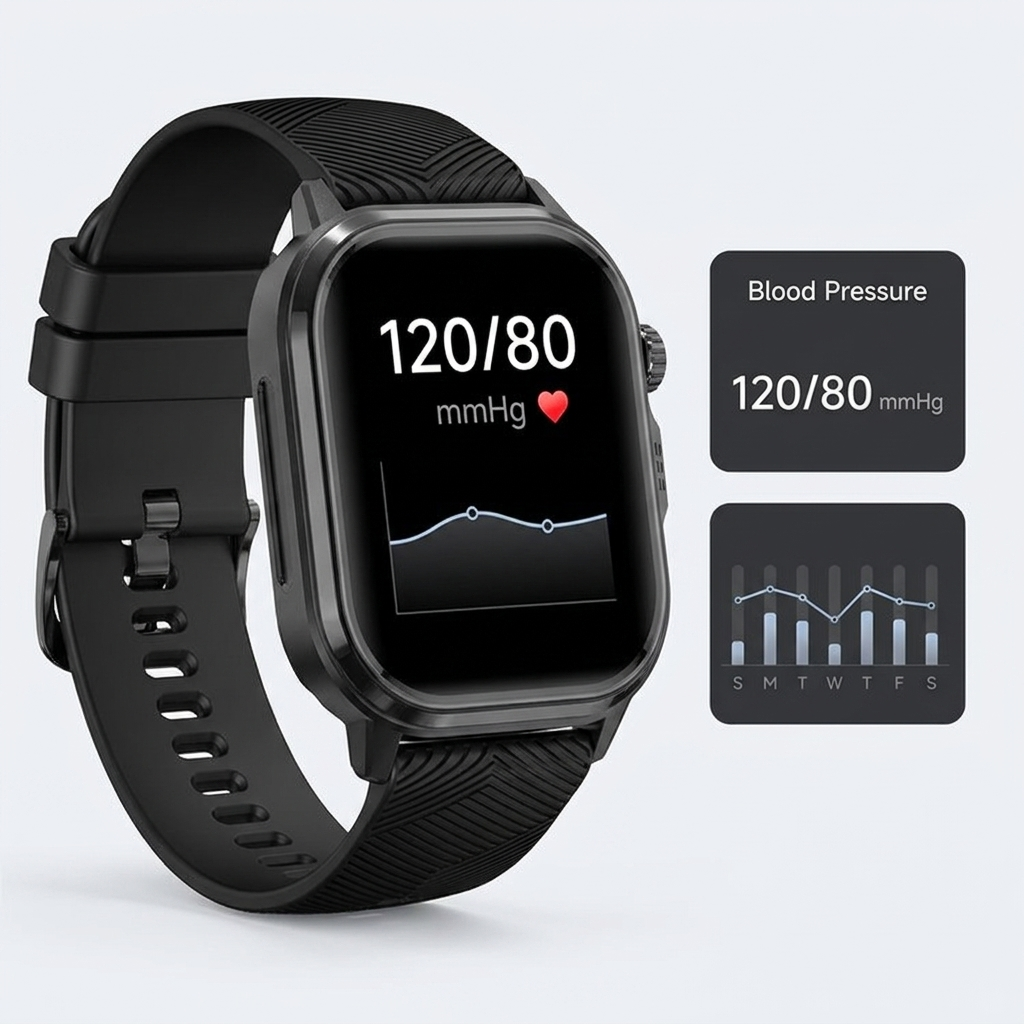
Built-in GPS route tracking with wrist ECG and temperature-trend sensing, controlled by a rotating crown.
2 Colors Available
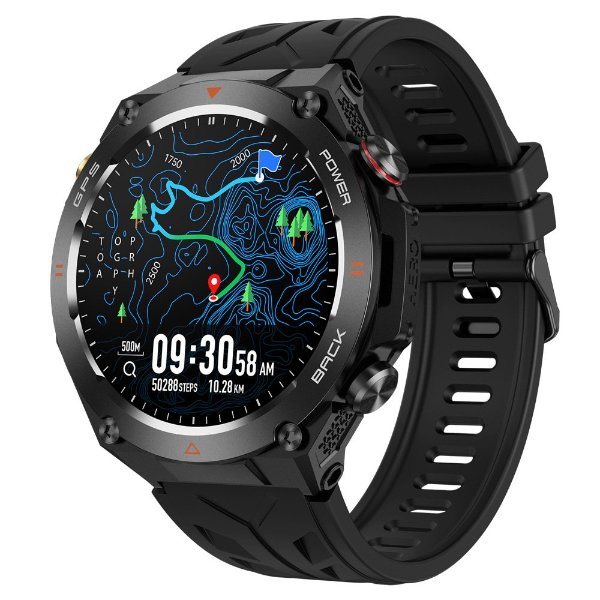
GPS tracking, compass and altitude tools with a 650mAh battery for longer outdoor days.
4 Colors Available
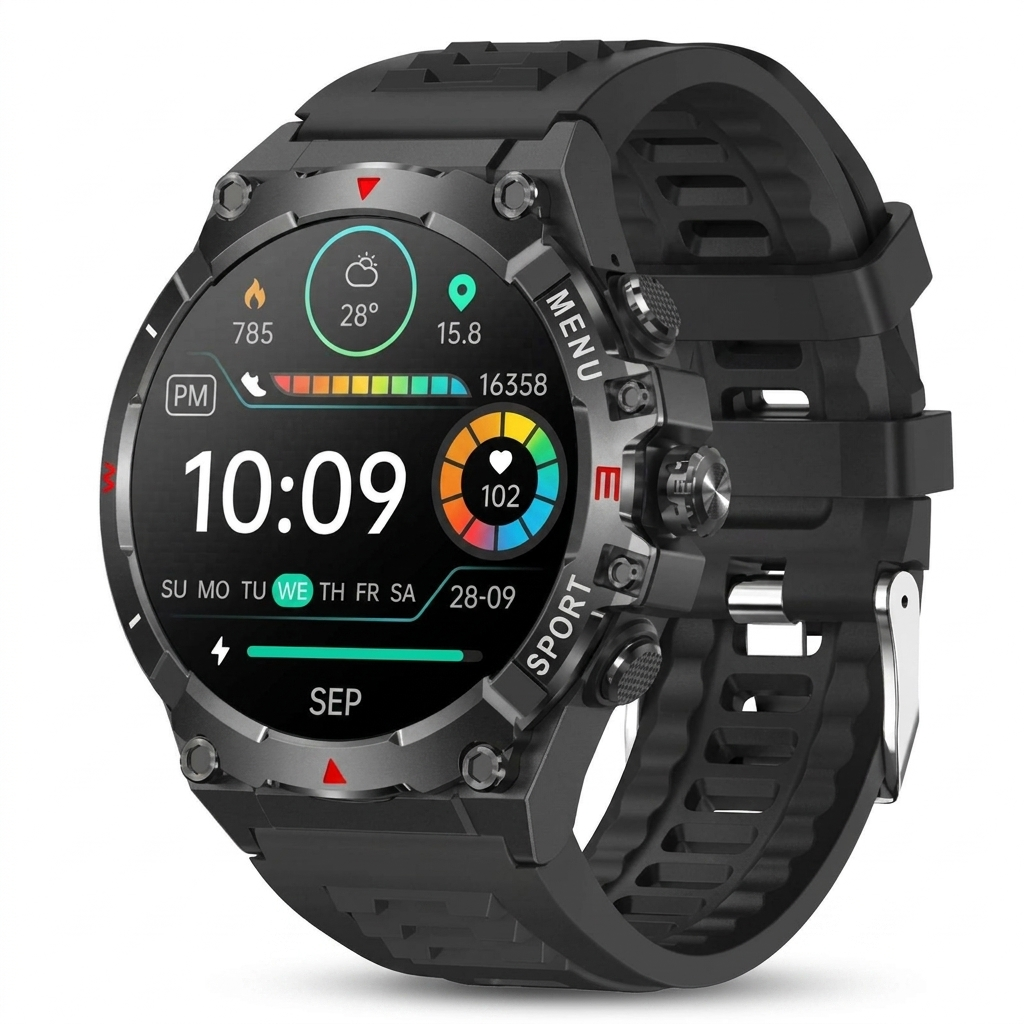
A lower-priced hiking option with compass, altitude and air-pressure tools on a 1.43″ AMOLED display.
2 Colors Available
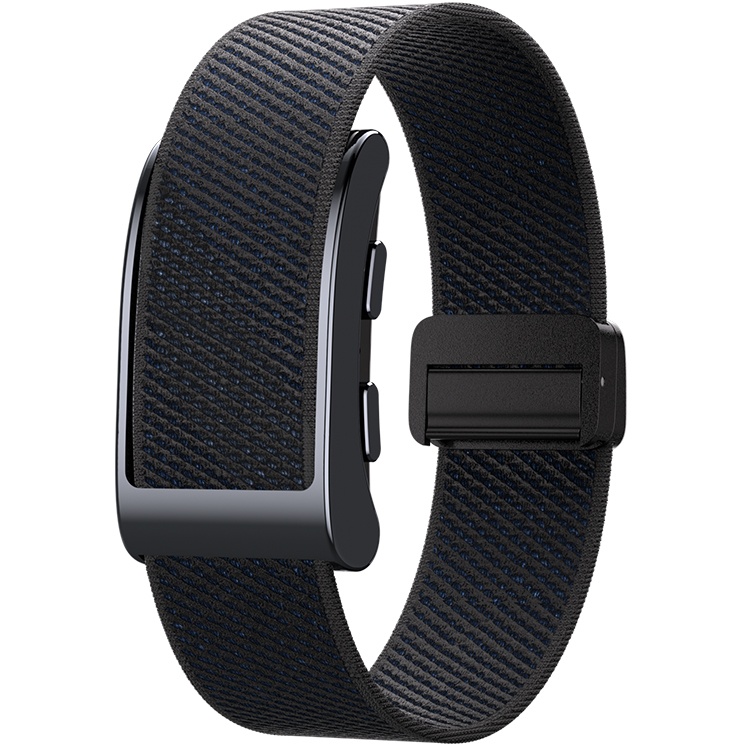
A screenless safety-oriented band with GPS track features, fall detection and one-press SOS. Emergency functions depend on setup and connectivity.
2 Colors Available
Compare navigation depth, outdoor sensors and each watch’s stand-out reason to buy.
| Model | GPS & Navigation | Outdoor Sensors | Stand-out Feature | Price |
|---|---|---|---|---|
| REXQU SummitCall | GPS route-planning features | — | Bluetooth calling + AMOLED | $149.97 |
| REXQU Horizon | Built-in GPS | Compass, barometer | Large AMOLED + long-battery option | $159.97 |
| REXQU AltiTrek | Built-in GPS | Altimeter, barometer, compass | Cold-weather mode + IP68 rating | $149.97 |
| REXQU Zenith Pro | Multi-satellite GPS + route back-tracking | Compass, altimeter, barometer | Navigation flagship on a 1.56″ AMOLED | $159.97 |
| REXQU TrailGuard | GPS track sync via app | Compass, altitude, air pressure | Gorilla Glass toughness | $149.97 |
| REXQU AetherX | Built-in GPS route tracking | ECG, body temperature | Rotating crown + health suite | $199.97 |
| REXQU Adventurer | GPS tracking | Compass, altitude | 650mAh battery for multi-day trips | $159.97 |
| REXQU Healout | App-connected | Compass, altitude, air pressure | Budget pick, 1.43″ AMOLED | $129.97 |
| REXQU GuardBand | GPS + track-mapping features | Fall detection | Screenless SOS-oriented band | $139.97 |
A GPS smartwatch can put useful navigation information on your wrist so you do not have to reach for your phone as often. Depending on the model, that may include built-in GPS, route recording, route back-tracking, compass, altitude or barometric information. Those tools can be useful for hiking and outdoor training, but they should be treated as navigation aids rather than your only way to find your route in remote terrain.
Start by checking how GPS works on the model you are considering. Watches such as the Zenith Pro, AetherX, Horizon and AltiTrek are positioned around built-in GPS features, while other models may use phone-connected GPS or app track sync. If route tools are your priority, compare the exact recording, back-tracking and mapping capabilities on the individual product page.
Outdoor sensors matter too. A compass can help with orientation, while altimeter and barometer readings can add useful context about elevation or air-pressure trends. Battery specifications also need careful comparison: mAh capacity, normal-use battery life and standby time are different measurements. For more durable outdoor options, browse the rugged smartwatch collection; for wrist ECG, see the ECG smartwatch collection.
For remote hiking: carry a backup navigation method, keep your phone or emergency equipment available where appropriate, and do not rely on a consumer smartwatch as your sole navigation or rescue device.
Every outdoor watch mentions GPS, but the word covers several different things — a receiver inside the watch, a borrowed fix from your phone, or a compass that is not satellite positioning at all. These are the differences that decide whether a GPS smartwatch does what you expect on the day.
The US government GPS performance data reports high-quality single-frequency receivers achieving horizontal accuracy of roughly 2.2 metres, 95% of the time. That is the ceiling, under open sky. Canyon walls, dense canopy and tall buildings degrade a fix far more than the receiver hardware does, which is why the same watch feels precise on a ridge and vague in a gorge.
A watch with its own receiver records a track when you leave the phone behind. A connected-GPS watch borrows the fix from your phone, so it logs nothing without the phone in your pocket. Both get described as GPS on a spec sheet. Check the product page for which one you are buying, because it decides whether the watch is any use on a run without a phone.
Quoted battery days assume standby. Satellite positioning is usually the hungriest thing a watch does, and running it continuously can turn a multi-week figure into a day or two. Our guide to hiking smartwatch battery life sets out what each setting actually costs.
Satellites need sky. A magnetic compass needs neither sky nor phone, so it still works under canopy and deep in a valley. It does drift: NOAA tracks the north magnetic pole moving roughly 55 km a year, so magnetic north and true north are not the same bearing. Pair either with a real map — the USGS US Topo series is free to download. Models that estimate altitude from air pressure are covered in our altimeter watch guide.
Receivers that read more than one constellation — GPS plus GLONASS, Galileo or BeiDou — have more satellites to choose from, which shortens time to first fix and steadies the track in poor sky. It matters least in an open field and most in the terrain where a bad track would actually cost you something. See multi-satellite GPS smartwatches, or the rugged smartwatch range if durability matters as much as positioning.
The best choice depends on how you navigate. The Zenith Pro emphasizes multi-satellite GPS and route back-tracking, while the Horizon, AltiTrek, AetherX and Adventurer serve different combinations of GPS, outdoor sensors, battery and health features. Compare the exact navigation method before choosing.
Selected REXQU models combine GPS with compass and altitude-related tools, including the Zenith Pro, AltiTrek and Adventurer. Other models, such as the TrailGuard, add compass and altitude information alongside app-connected track features.
Some models include route-recording or route back-tracking features that can help you retrace a recorded path. That can be useful, but GPS accuracy, battery level, satellite reception and software all affect performance. Carry a backup navigation method in remote terrain and do not rely on a smartwatch as your only safety system.
It depends on the watch. Some models use built-in GPS and can record location data from the wrist, while others use connected GPS or sync track information through a paired phone and companion app. Check the individual product page for the exact GPS method.
Compare the specification that matters to you rather than one headline number. Battery capacity in mAh, normal-use battery life and standby time are different measures. Models such as the Adventurer, Horizon and other outdoor watches emphasize longer battery use, but GPS recording can reduce runtime substantially.
Many GPS models are also designed for outdoor use, but durability and water resistance vary. Check the case construction, screen protection and IP or ATM rating on the individual product page. If toughness is your first priority, compare the rugged smartwatch collection.
Many REXQU GPS smartwatches support both iPhone and Android through companion apps, but compatibility and app requirements vary by model. Check the individual product page before buying.
No. A smartwatch can be a useful secondary navigation tool, but it should not be your only navigation or emergency device in remote terrain. Battery loss, signal conditions, software issues or physical damage can make any wearable unavailable when you need it.