
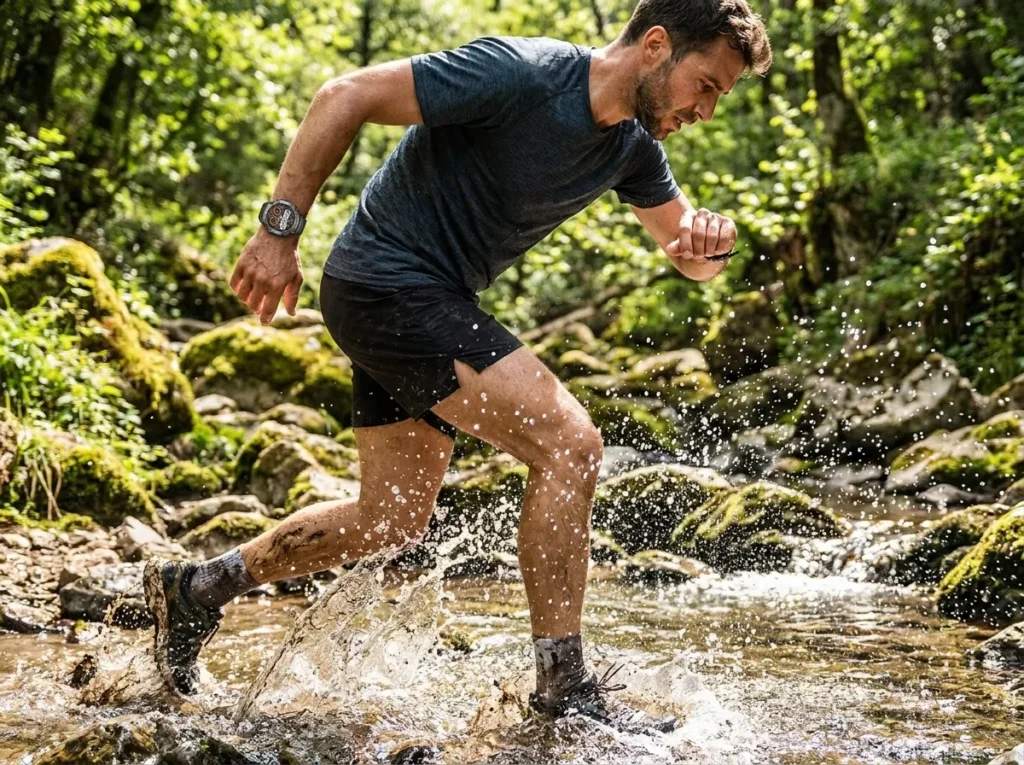
Looking at a spec sheet full of “100+ sport modes” and wondering if that number actually means anything? Rugged smartwatch sport modes are one of the most misunderstood specs in outdoor wearables — the raw count matters less than whether the specific modes you need are actually in there.
If you spend your weekends trail running, scrambling over rock, or logging miles on a bike, the question isn’t “does it have a lot of modes” — it’s “does it have the right ones, and will it track them accurately.” Here’s how to think about it using two real REXQU models built for the outdoors.
What rugged smartwatch sport modes actually track
A sport mode is partly a label and partly a recording profile. Depending on the watch, selecting running, cycling, hiking or swimming can change which data fields are emphasized, how activity is categorized in the app, and whether features such as GPS route recording are used. But a large mode count does not automatically mean the watch has a different sensor algorithm for every activity. That is why the quality of the core sensors and whether your main activities are supported matter more than the headline number.
The REXQU Beacon Pro is a good example of doing this right: it ships with 100+ sport modes on a 1.43″ AMOLED display (466×466), rated 5ATM/IPX8 for water exposure. It also builds in a 20-meter flashlight plus UV and SOS lights — genuinely useful if a trail run or hike runs past sunset. Its 525mAh battery runs 5-7 days of regular use and 15+ days on standby, so mode-switching all week doesn’t tank your battery life. It’s $149.97 on the REXQU site.
When fewer, better modes beat a bigger number
Not every rugged watch needs triple-digit mode counts to be useful. The REXQU Ridgeline takes a more focused approach: multiple sport modes paired with heart rate monitoring, SOS emergency calling, and Bluetooth calls, on a bright 1.8″ display. It’s rated IPX8/5ATM, runs about 7 days on its 400mAh battery (15 days standby), and also lists at $149.97. If your priority is a dependable emergency-call feature and solid all-day heart rate tracking rather than a huge sport-mode library, that’s a reasonable trade.
How to actually choose
Before comparing rugged smartwatch sport modes across models, make a short list of the 3-5 activities you do most — trail running, open-water swimming, cycling, skiing, whatever it is — and confirm each one is a named, dedicated mode rather than something you’d have to approximate. A watch with 150 modes that’s missing your actual sport is less useful than one with 40 that covers exactly what you do.
It also helps to think about conditions, not just activities. If you’re regularly out after dark or in low light, a built-in flashlight (like Beacon Pro’s) adds real value alongside the sport-tracking features. If safety on solo routes is the bigger concern, an SOS calling feature (like Ridgeline’s) may matter more than mode count.
Rugged Smartwatch Sport Modes: Beacon Pro vs Ridgeline
| Feature | Beacon Pro | Ridgeline |
|---|---|---|
| Sport modes | 100+ | Multiple sport modes |
| Display | 1.43" AMOLED | 1.8" display |
| Water rating | 5ATM / IPX8 | 5ATM / IPX8 |
| Safety feature | Built-in flashlight, UV and SOS lights | SOS emergency calling |
| Battery | 5–7 days typical, 15+ standby | About 7 days typical, 15 standby |
| Best fit | Broad activity library + lighting | Everyday outdoor use + calling/SOS |
How to Choose Sport Modes That Actually Matter
- Write down the three to five activities you do most often.
- Check that those activities are named modes on the product page or app, rather than assuming “100+” includes them.
- If outdoor distance matters, confirm whether the watch uses built-in GPS, connected GPS or no route tracking at all.
- Match the water rating to swimming, rain or sweat exposure rather than assuming every rugged watch is swim-ready.
- Compare the safety and utility features around the sport modes — flashlight, SOS, compass, battery and display visibility may matter more than another 30 rarely used activities.
For the broader outdoor decision, see the best rugged smartwatch guide and GPS smartwatch buying guide. If a built-in light is important, compare the REXQU flashlight smartwatch guide.
FAQ
Do more sport modes mean better tracking accuracy?
Not directly. Mode count reflects breadth of activities covered, not sensor quality. A watch with fewer modes but a well-tuned GPS and heart rate sensor can out-track one with a huge mode list and mediocre sensors.
Can I create a custom sport mode?
On most watches with 100+ modes, yes — you can typically favorite or customize a shortlist from the full library so your go-to activities are one tap away instead of buried in a long menu.
Do sport modes count toward daily activity goals?
Generally yes, and tracking varied activity types is genuinely useful for meeting general activity recommendations — the CDC’s guidance on what counts as physical activity for adults is a good independent reference if you’re trying to hit a weekly activity target rather than just chase a badge on your watch.
Bottom line: rugged smartwatch sport modes are worth checking closely, but match the list against your actual weekly activities rather than picking based on the biggest number. Browse REXQU’s full lineup on the rugged smartwatches and GPS smartwatches pages to compare current models and pricing.