
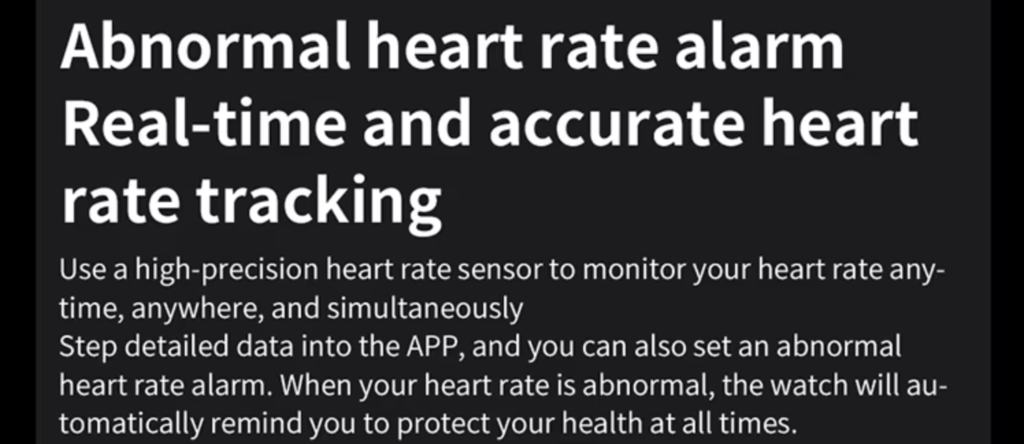
Looking for an ECG smartwatch heart rate alerts feature that does more than log a number and move on? REXQU builds an automatic abnormal-heart-rate alarm into two of its ECG models, and the way it triggers is specific enough to understand before you pick a watch for that reason alone.
How ECG Smartwatch Heart Rate Alerts Actually Trigger
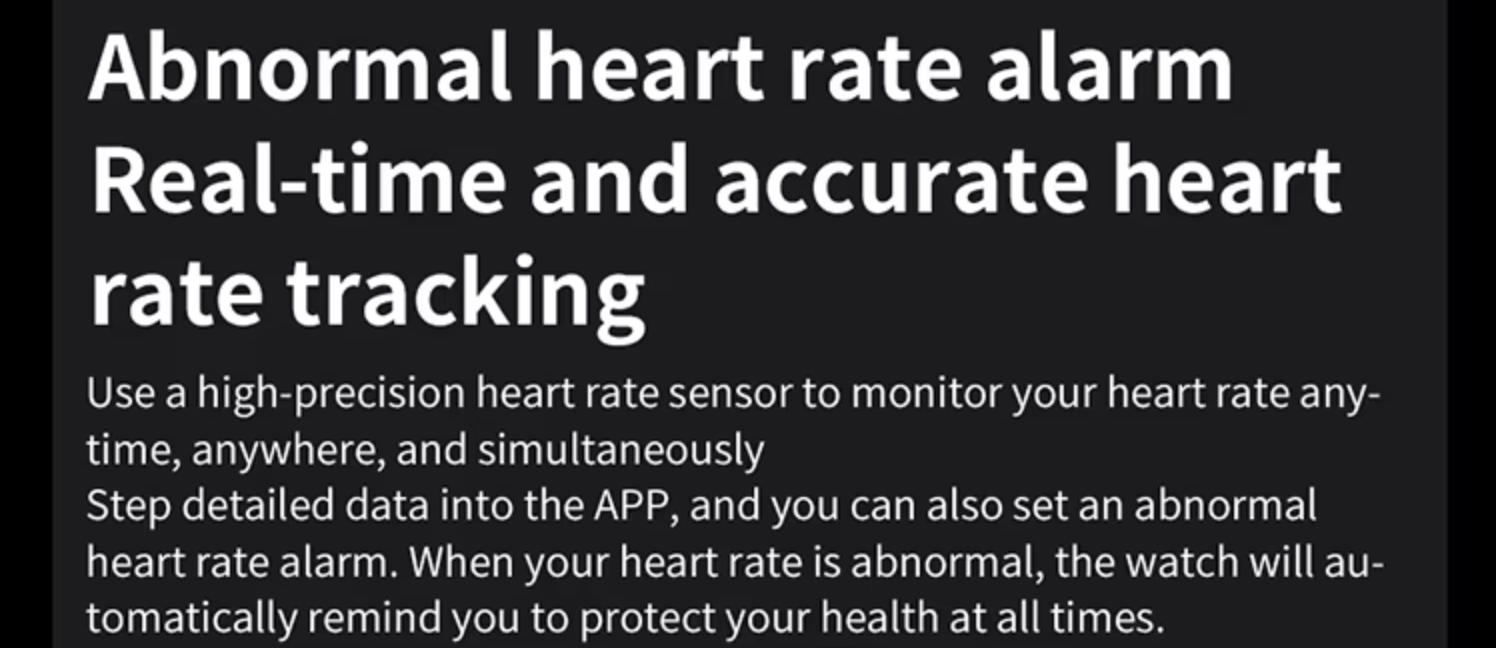
The REXQU CoreX Pro and REXQU AetherX both run continuous heart rate sensing through an optical sensor, and that data feeds a threshold you can set in the REXQU app. When a reading falls outside your normal range, the watch sends a notification — REXQU’s own listing describes it as a regular health alert that flags “abnormal heart rate patterns” automatically, without you opening the app to check.
That’s different from a plain reminder. The alert responds to a live reading crossing a boundary, whether that’s a resting rate climbing higher than usual or dropping lower than your baseline. It’s built for catching something you weren’t actively watching for, not for replacing the heart rate display you’d check mid-workout.
Which REXQU Models Actually Have It
REXQU CoreX Pro ($159.97) and REXQU AetherX ($199.97) both carry the same alert language in their own product listings: daily tracking of blood pressure and blood oxygen alongside “abnormal heart rate patterns” alerts, plus on-wrist ECG recording. AetherX adds a larger housing for the same core feature set at a higher price.
The REXQU CardioSense ($159.97) is built differently — its selling point is the biggest display in the lineup at 2.01 inches, with continuous heart rate, blood pressure, and sleep tracking. REXQU’s listing for CardioSense doesn’t call out the same dedicated alarm feature, so if ECG smartwatch heart rate alerts are specifically what you’re comparing models on, CoreX Pro and AetherX are the two to look at, not CardioSense.
| Model | Price | Automatic Heart Rate Alert | On-Wrist ECG |
|---|---|---|---|
| REXQU CoreX Pro | $159.97 | Yes — abnormal pattern alerts | Yes |
| REXQU AetherX | $199.97 | Yes — abnormal pattern alerts | Yes |
| REXQU CardioSense | $159.97 | Continuous tracking, no dedicated alarm listed | Yes |
What the Alert Can and Can’t Tell You
REXQU is upfront that this isn’t a diagnostic tool — it’s a wellness alert, not a clinical device, and the watch itself says so on-screen. A notification telling you your heart rate looks abnormal is a prompt to pay attention, not a finding you’d bring to a doctor on its own. For how REXQU’s ECG reading itself holds up against real limits, our ECG smartwatch risk assessment breaks down accuracy and what the single-lead reading can and can’t show, and our piece on whether a smartwatch can detect AFib covers the specific rhythm condition people usually ask about.
For context on what counts as a normal range in the first place, MedlinePlus’s overview of pulse and heart rate is a solid independent reference — useful for sanity-checking what the watch is flagging before you decide whether it’s worth worrying about.
This is general product information, not medical advice. If you’re managing a heart condition or a persistent abnormal reading concerns you, talk to a doctor rather than relying on a smartwatch alert alone.
Who Actually Gets Value From This
The alert matters most if you want something watching in the background — people recovering from a cardiac event under a doctor’s guidance (with their doctor’s input on what counts as abnormal for them), people managing stress-related heart rate spikes, or anyone who just wants a second set of eyes on a metric they’d otherwise only check manually. If you mainly want a single ECG reading on demand and don’t care about an automatic alarm, CardioSense’s bigger screen might matter more to you than the alert feature itself.
Either way, start from the REXQU ECG smartwatches category page to compare current pricing and colorways before deciding. If ECG smartwatch heart rate alerts are the one feature you don’t want to compromise on, CoreX Pro is the lower-priced of the two models that actually has it.