
Does an ECG smartwatch body temperature reading actually tell you anything useful, or is it just another number on the screen? On the REXQU PulseBand, body temperature sits alongside ECG, heart rate, HRV and blood oxygen as one more daily wellness signal — not a replacement for a thermometer, but a useful early flag when something in your body changes before you’d otherwise notice.
This article is for general information only and is not medical advice. The PulseBand is a consumer wellness device, not a diagnostic tool — talk to a doctor about any symptom or reading that concerns you.
How ECG Smartwatch Body Temperature Tracking Works on the PulseBand
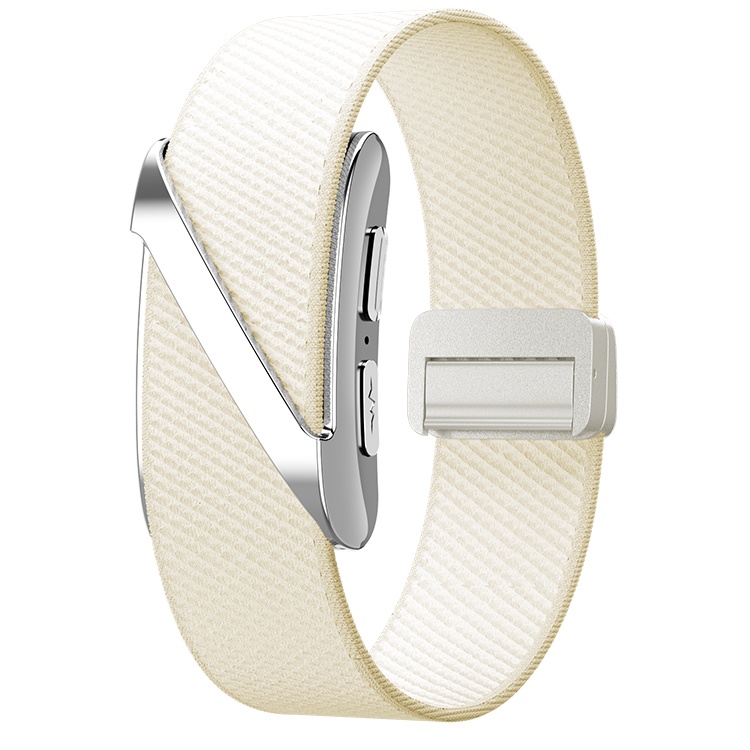
The PulseBand reads skin temperature at the wrist throughout the day using an optical sensor built into the same housing as its heart rate and blood oxygen sensors. Because skin temperature shifts with activity, room temperature, and time of day, the PulseBand looks at your personal baseline and flags when a reading drifts noticeably away from it — rather than comparing you to a fixed “normal” number that varies from person to person anyway.
Why Pair Temperature With ECG and Heart Rate Instead of Using It Alone
A single temperature reading on its own is easy to misread — a hot room, a recent workout, or a tight strap can all nudge the number. ECG smartwatch body temperature data becomes far more useful read alongside the PulseBand’s other 24-hour signals: ECG rhythm checks, heart rate, HRV, blood oxygen, and sleep. If temperature rises at the same time resting heart rate climbs and sleep quality drops, that combination is a more reliable early signal than any single reading, which is closer to how human body temperature is actually understood to vary and respond to illness or exertion.
- Catch a gradual overnight temperature rise before it turns into a symptom you’d notice on your own.
- Separate a workout-driven temperature spike from one that lines up with poor sleep and a faster resting heart rate.
- Build a personal baseline over weeks, which matters more than any single day’s number.
Who Gets the Most Out of This
People recovering from a cold or flu, travelers adjusting to a new climate or time zone, and anyone training through a demanding block all see more day-to-day temperature variation than they might expect. For these situations, ECG smartwatch body temperature tracking is less about any one alarming number and more about noticing a pattern change early enough to actually do something about it — rest an extra day, hydrate more, or simply pay closer attention to how you feel.
What Else the PulseBand Tracks
Body temperature is one of a long list of signals on this band: on-wrist ECG, continuous heart rate and HRV, blood pressure, blood oxygen, sleep and stress tracking, body composition, 32 risk assessments, breathing training, multi-sport modes, and sedentary and medication reminders. See the full category lineup on REXQU’s ECG smartwatches page, or compare every model spec-by-spec in our ECG smartwatch buying guide.
FAQ
Is ECG smartwatch body temperature as accurate as an oral thermometer?
No — it’s a trend tool, not a diagnostic one. It’s built to show you a change against your own baseline over time, not to replace a medical thermometer for a specific reading.
Does the PulseBand need to be worn tightly to get a reading?
A snug, consistent fit helps every wrist-based sensor on the PulseBand, temperature included — a loose band that shifts around during the day will produce noisier readings than one worn the same way each time.
Pairing ECG, heart rate and body temperature on one wrist turns three separate signals into one coherent daily picture, instead of three numbers you’d otherwise have to track by hand. Find current pricing and colors on the REXQU PulseBand product page.