
What do daily health monitoring watch alerts actually catch — and what do they miss? REXQU’s health watches, including the VitaCore, BioVision and HealthLink, run continuous background checks on heart rate, blood oxygen and blood pressure, and surface a notification the moment a reading drifts outside your normal range, so you don’t have to remember to check manually.
This article is for general information only and is not medical advice. These alerts are wellness notifications, not a diagnosis — talk to a doctor about any reading that concerns you.
What Triggers Daily Health Monitoring Watch Alerts
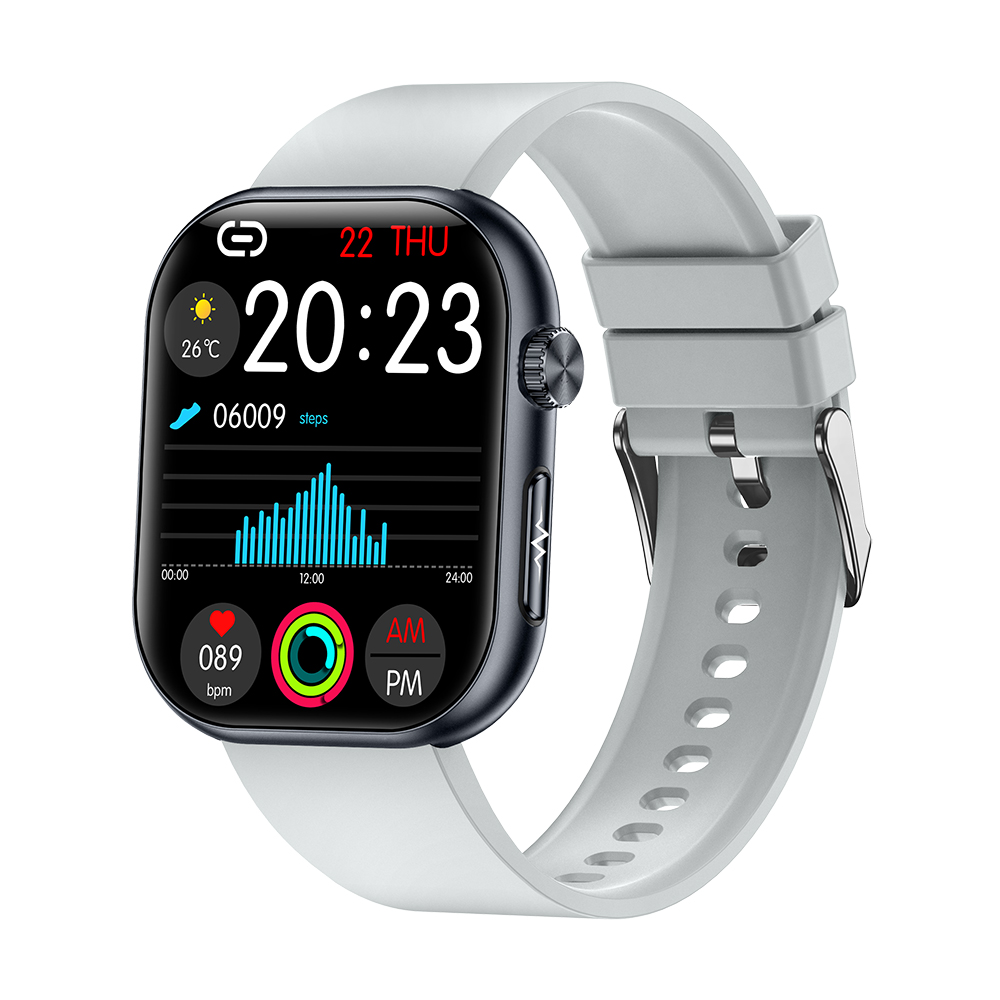
Daily health monitoring watch alerts on these models are built around your own resting baseline, not a single fixed threshold for everyone. Once the watch has a few days of data, it flags a resting heart rate that’s running unusually high or low, a blood oxygen reading that dips lower than your typical range, or a blood pressure trend that’s drifting away from where it normally sits — each shown on-screen with a short wellness note rather than a raw, unexplained number.
Why a Trend Alert Beats a One-Off Reading
A single odd reading is often just noise — a tight strap, a cold room, or a recent coffee can all shift a number for a moment. That’s why these alerts are built on top of the same daily wellness trend reports these watches already generate from 24/7 heart rate, one-tap SpO₂ checks and on-wrist ECG recording, rather than firing off a warning from a single snapshot. This kind of continuous, trend-based monitoring is part of a broader shift often described as mobile health, where everyday wearables fill in the gaps between occasional doctor visits.
- Catch a multi-day drift in resting heart rate before it becomes a reading you’d notice on your own.
- Get a plain-language wellness note instead of a raw number you have to interpret yourself.
- See the alert alongside sleep and stress data, so you can judge whether a late night explains it.
What These Alerts Don’t Replace
A watch notification is useful precisely because it’s immediate, but it isn’t a clinical test. These alerts are built from optical wrist sensors, which are excellent for spotting trends over days and weeks but aren’t a substitute for a blood pressure cuff reading or a lab test when a doctor needs an exact number. Think of the alert as the thing that tells you it’s worth checking further, not the final word on what’s going on.
Who This Helps Most
Anyone managing a new fitness routine, recovering from illness, or simply wanting a second set of eyes on their resting vitals benefits from this kind of background check — it’s not a substitute for regular checkups, but it does mean fewer things slip by unnoticed between them. Explore the full lineup on REXQU’s daily health monitoring watches category page.
FAQ
Do daily health monitoring watch alerts need internet access?
No — the watch itself processes the reading and shows the alert on its display; a paired phone app is only needed to review longer-term trend history.
Can I turn specific alerts off?
Yes, most alert types can be adjusted or muted individually in the companion app, so you can keep the checks that matter to you without constant notifications for minor fluctuations.
Will I get an alert for every small fluctuation?
No — the watch is tuned to flag readings that fall meaningfully outside your own baseline, not every minor variation, which keeps notifications relevant instead of constant.
Once you know what triggers a notification and why, daily health monitoring watch alerts stop feeling like noise and start acting like an early warning system you can actually trust. Compare specific models on the VitaCore, BioVision and HealthLink product pages, or read our full daily health monitoring watch buying guide for a side-by-side breakdown.