
Kids smartwatch screen size matters more than it looks like on a spec sheet, because a seven-year-old reading a map or answering a video call doesn’t have the fine motor control or close-up focus an adult has. Across the REXQU kids smartwatches range, screens run from 1.4 to 1.83 inches — and the difference is bigger in daily use than that half-inch suggests.
Why Kids Smartwatch Screen Size Changes How It Gets Used
A bigger kids smartwatch screen size means bigger icons, bigger text and more forgiving touch targets — all things that matter when small fingers are tapping a 1.4-inch display instead of a 1.83-inch one. The REXQU KidView leads the range with a 1.83-inch IPS panel at 240×284 resolution and a 75% screen-to-body ratio with 2.5D curved glass, which is about as close to a “big screen” experience as a kids watch gets.
The KidGuard Pro sits at the other end with a 1.4-inch IPS touch screen — smaller, but paired with an IP67-rated body built for a rougher daily life. The KidTrack splits the difference with a 1.52-inch display in a 47-gram case, prioritizing light weight over screen real estate.
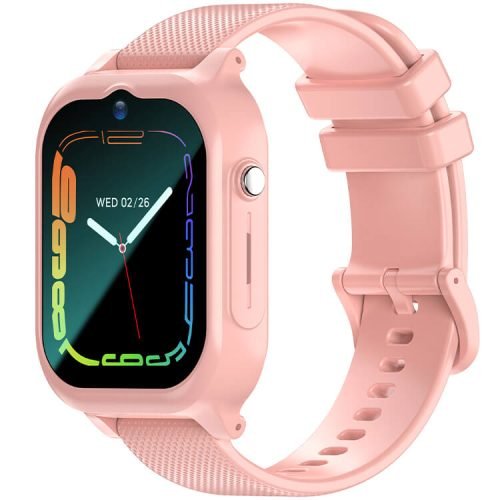
Screen Size vs. Everything Else That Matters
Screen size isn’t the only tradeoff. A bigger panel generally means a bigger case, which affects how it sits on a small wrist and how it feels after a full school day. It can also mean more area to crack, which is part of why the smaller-screened KidGuard Pro pairs its compact display with the toughest body rating in the lineup.
| Model | Screen | Weight | Stand-out feature | Price |
|---|---|---|---|---|
| KidView | 1.83″ IPS | — | Largest display, route history | $99.97 |
| KidTrack | 1.52″ color touch | 47g | Lightest build | $89.97 |
| KidGuard Pro | 1.4″ IPS | — | IP67-rated body | $109.97 |
Does Screen Size Affect a Child’s Eyes?
Pediatric eye-health guidance generally focuses on total screen time rather than the physical size of a device’s display, but readability still matters: a child squinting at tiny icons is straining more than one glancing at a legible one. The American Academy of Pediatrics’ guidance on screens and children’s eyes is a useful starting point if you want the broader context beyond just the watch.
In practice, a larger kids smartwatch screen size reduces how long a child has to stare and squint to read a message or find an icon, which is a small but real win for younger children especially.
Which Screen Size Fits Which Kid?
- Younger children (5–7): the KidView’s 1.83-inch screen and large icons are easier for new readers to navigate without help.
- Active, outdoorsy kids: the KidGuard Pro’s smaller screen trades size for an IP67 rating that survives playgrounds and rain.
- Kids who find watches bulky: the KidTrack’s 1.52-inch screen in a 47g case is the lightest option to actually keep worn.
A Quick Way to Check Before You Buy
You don’t need to guess. Measure your child’s wrist with a soft tape measure or a strip of paper, then check that measurement against the case dimensions on the product page — a watch that overhangs a small wrist will feel bulky no matter how good its screen is.
It also helps to watch your child use a tablet or phone for a minute first. If they already hold a screen close to their face or ask you to make icons bigger, the KidView’s larger 1.83-inch display is probably worth the slightly bigger case. If they handle smaller interfaces fine, the lighter KidTrack or the rugged KidGuard Pro may suit them better than screen size alone would suggest.
Kids Smartwatch Screen Size FAQ
Is a bigger screen always better for kids? Not necessarily. A bigger kids smartwatch screen size usually means a bigger, heavier case, which can matter more than display size for younger or smaller-wristed children.
Does screen size affect battery life? It can — larger, higher-resolution displays generally draw more power, though battery life depends on several factors including how often location and video calling features are used.
Can I compare screens before buying? Yes — check the individual product pages for exact screen dimensions and resolution, or see our full kids smartwatch buying guide for a side-by-side comparison of the range.