
ECG smartwatch stress tracking works by pairing an on-demand heart rhythm reading with continuous heart rate variability (HRV) data, so the watch can flag when your body is showing physical signs of stress — not just log your pulse.
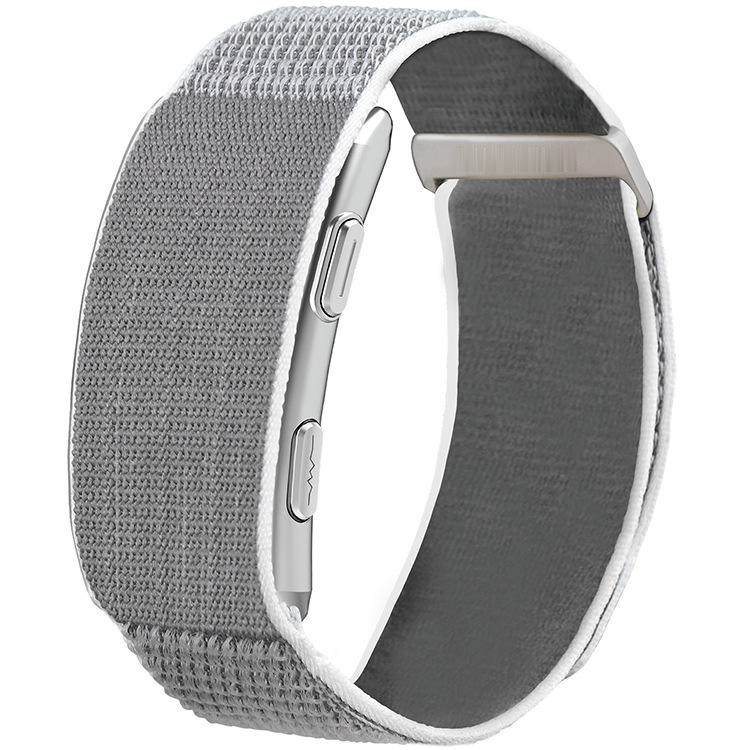
On REXQU’s ECG lineup, the clearest example of this is the REXQU PulseBand, which bundles ECG and stress monitoring into one 24-hour tracking suite rather than treating them as separate features.
How ECG Smartwatch Stress Tracking Works on PulseBand
PulseBand’s own spec sheet lists its 24-hour monitoring as: ECG, heart rate, HRV, blood pressure, blood oxygen, body temperature, sleep, stress, body composition, 32 risk assessments, wellness trends, breathing training, multi-sport modes, women’s health tracking, and sedentary and medication reminders, alongside an SOS function.
The stress reading itself is built from HRV — the small variations in time between heartbeats — rather than from the ECG waveform directly. The ECG function is there for on-demand rhythm checks; the stress score runs continuously in the background using the same optical and electrical sensors.
PulseBand is also a screenless, band-style design rather than a traditional watch face, which matters for stress tracking specifically: there’s no display pulling your attention every time you glance at your wrist, so the sensor package keeps collecting HRV data passively throughout the day without you having to open an app or check a screen to “activate” it. At $139.97, it sits in the middle of REXQU’s ECG-capable lineup on price, with the 24-hour monitoring suite included rather than sold as an add-on.
Why Pair Stress Data With an ECG Reading
Looked at alone, a single stress number doesn’t tell you much. Paired with an on-demand ECG, you get a fuller picture: if your HRV-based stress reading spikes alongside an irregular-feeling rhythm, you have two independent data points pointing the same direction, rather than one noisy metric. PulseBand’s 32 built-in risk assessments are built around combining signals this way rather than relying on any single sensor.
HRV as a stress marker isn’t a REXQU-specific idea — it’s a well-established concept in cardiology and sports science. The Cleveland Clinic’s explainer on heart rate variability is a solid plain-language reference if you want to understand what HRV actually measures and why it correlates with stress.
None of this is medical advice or a diagnostic tool. ECG smartwatch stress tracking on PulseBand is a wellness feature, not a substitute for a cardiologist or a clinical stress-hormone test — if you have ongoing symptoms like chest discomfort, anxiety, or irregular heartbeats, talk to a doctor rather than relying on watch data alone.
Getting More Out of the Feature
PulseBand’s breathing training mode is designed to pair with its stress tracking directly — when the watch flags an elevated stress reading, a short guided-breathing session is one practical response built into the same device, rather than something you have to track down a separate app for. Wearing the band consistently, including overnight, also gives the HRV baseline more data to compare against, which makes day-to-day stress readings more meaningful than a single isolated reading.
Frequently Asked Questions
Do other REXQU ECG watches track stress the same way?
PulseBand is the model with stress tracking explicitly listed in its spec sheet among REXQU’s ECG lineup; check each product’s own listing before assuming the feature carries over to a different model.
Can ECG smartwatch stress tracking replace a doctor’s stress or anxiety assessment?
No. It’s a continuous wellness signal, not a clinical diagnostic — use it to notice patterns over time, and bring up anything persistent or concerning with a healthcare provider.
What do the 32 risk assessments actually cover?
REXQU describes them as a set of wellness-trend checks built from the watch’s combined sensor data (heart rate, HRV, blood oxygen, and related metrics) rather than 32 separate medical tests — think of them as pattern flags across your daily readings, not standalone diagnoses.
For the full picture of REXQU’s ECG-capable watches, see the ECG & Heart Health shop page and the Best ECG Smartwatch buying guide.