
Looking for a screenless smartwatch for seniors that skips the confusing menus, tiny icons, and constant notifications, but keeps the safety features that actually matter? The REXQU GuardBand is built around exactly that idea: no screen to learn, no apps to configure, just GPS location sharing, SOS calling, fall detection, and around-the-clock vitals tracking running quietly in the background.
For an older adult who has never used a smartwatch, or who finds swiping through menus more frustrating than helpful, that trade-off is often the whole appeal.
Why a Screenless Smartwatch for Seniors Makes Sense
A conventional smartwatch asks a lot of a new user: unlock the screen, find the right app, tap through two or three menus to check a heart rate reading. For someone managing arthritis, low vision, or simple unfamiliarity with touchscreens, that’s friction that gets in the way of the features that matter most.
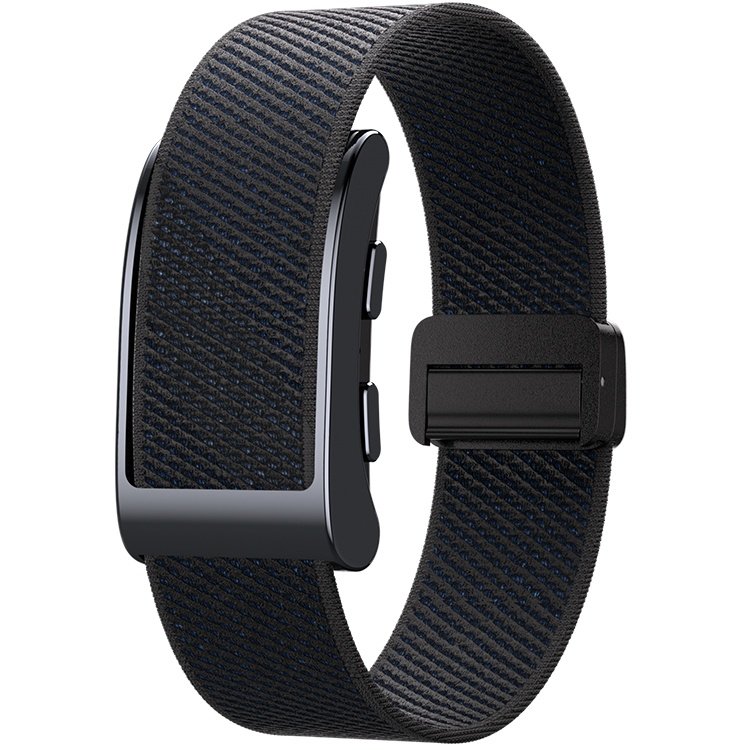
The REXQU GuardBand removes that step entirely. It’s a featherweight band that runs GPS sports-track positioning, a real-time location-sharing safety guard, SOS emergency calls with automatic position upload, and fall detection that calls for help automatically when a wearer can’t press a button themselves. Around the clock it also tracks heart rate, heart-rate variability, blood oxygen, and blood pressure, all without a display to check or configure. Battery life runs 7–10 days per charge, with 15–20 days on standby, so there’s less to remember, not more.
What You Give Up (and What You Don’t)
Going screenless does mean no glanceable readouts, no text message previews, and no on-wrist calling. For a senior who wants to see a text or take a call from their wrist, a display-equipped model like the REXQU IntelliFit is the better fit — it adds a screen, on-wrist ECG recording, and regular health alerts on top of the same category of daily tracking.
What a screenless smartwatch for seniors doesn’t give up is the safety layer. GPS location sharing, SOS calling, and fall detection all work identically whether or not there’s a screen involved — arguably more reliably, since there’s no menu standing between an emergency and the alert being sent.
Why Fall Detection Specifically Matters
Falls are not a rare event for this age group. The CDC’s STEADI initiative for older adult fall prevention reports that more than one out of four people 65 and older falls each year, and over 3 million are treated in emergency departments annually for fall-related injuries. Automatic fall detection is designed for the moments when a person can’t reach a phone or press a button themselves — the alert goes out regardless.
That single feature is often the deciding factor for adult children shopping on behalf of a parent: a screenless smartwatch for seniors that quietly calls for help is worth more, in practice, than one with a sharper display and more apps.
Who Should Choose a Screened Model Instead
If the wearer is comfortable with a touchscreen and wants to glance at incoming calls, take calls hands-free, or read a text without pulling out a phone, a screened option is the better starting point. The REXQU O2Max and REXQU IntelliFit both add a display on top of the same core health tracking, at a modest price difference. The right answer usually comes down to how comfortable the wearer already is with a touchscreen device, not which model has more features on paper.
FAQ
Does a screenless smartwatch for seniors still track heart rate and blood pressure? Yes — the GuardBand tracks heart rate, HRV, blood oxygen, and blood pressure continuously in the background; there’s simply no display to view the numbers on the device itself, they sync to the companion app instead.
Is fall detection automatic, or does it need to be triggered? It’s automatic — the band detects a fall and places the emergency call and location share without requiring the wearer to press anything.
This article is for general information only and isn’t medical advice. Fall detection and vitals tracking on a consumer smartwatch are not a substitute for a fall-risk assessment or care plan from a doctor or physical therapist.
See the full lineup on REXQU’s smartwatches for seniors page, including both screenless and screen-equipped options.