
Looking for the screenless fitness tracker return policy before you buy, so you’re not stuck if a band doesn’t fit your wrist or your routine? REXQU runs the same straightforward policy across its whole no-screen lineup — PulseBand, GuardBand, and CardioBand — and it’s worth knowing the exact terms before you click buy, not after.
What REXQU’s Screenless Fitness Tracker Return Policy Actually Covers
The screenless fitness tracker return policy is identical across all three bands: a 30-day window starting the day you receive your order. That’s standard REXQU policy, not a special allowance for the screenless line, and it applies whether you’re trying PulseBand’s on-band ECG, GuardBand’s fall detection and GPS, or CardioBand’s 24/7 heart-rate and HRV tracking.
| Model | Price | Return Window | Key Feature |
|---|---|---|---|
| REXQU PulseBand | $139.97 | 30 days | On-band ECG, HRV |
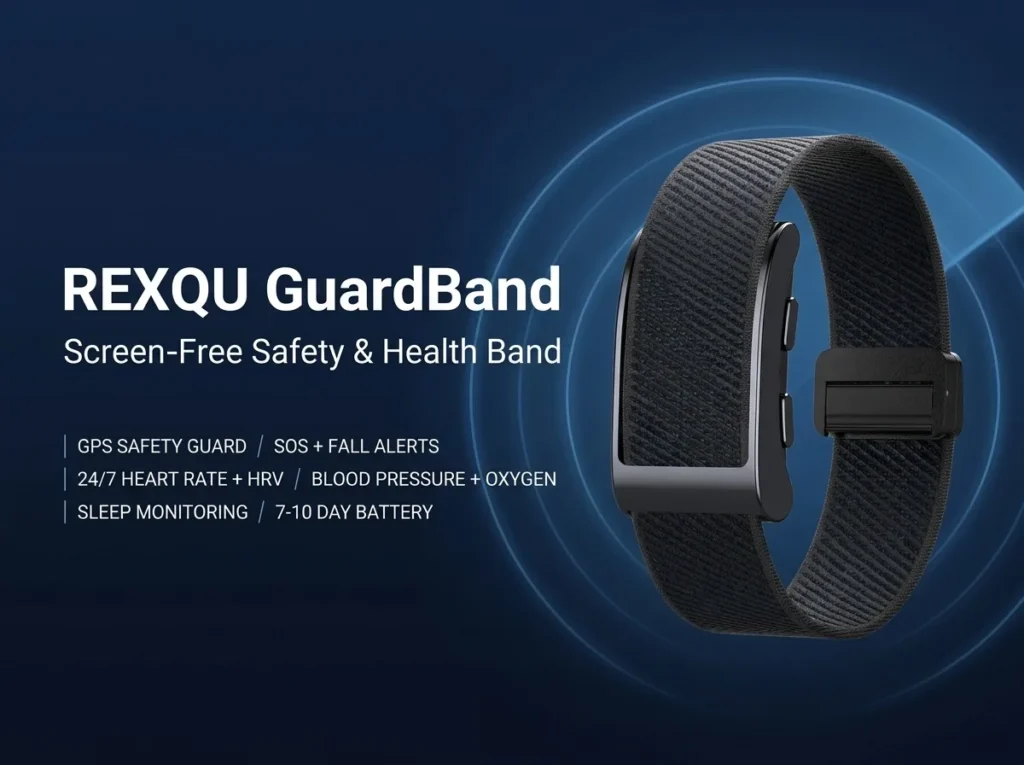
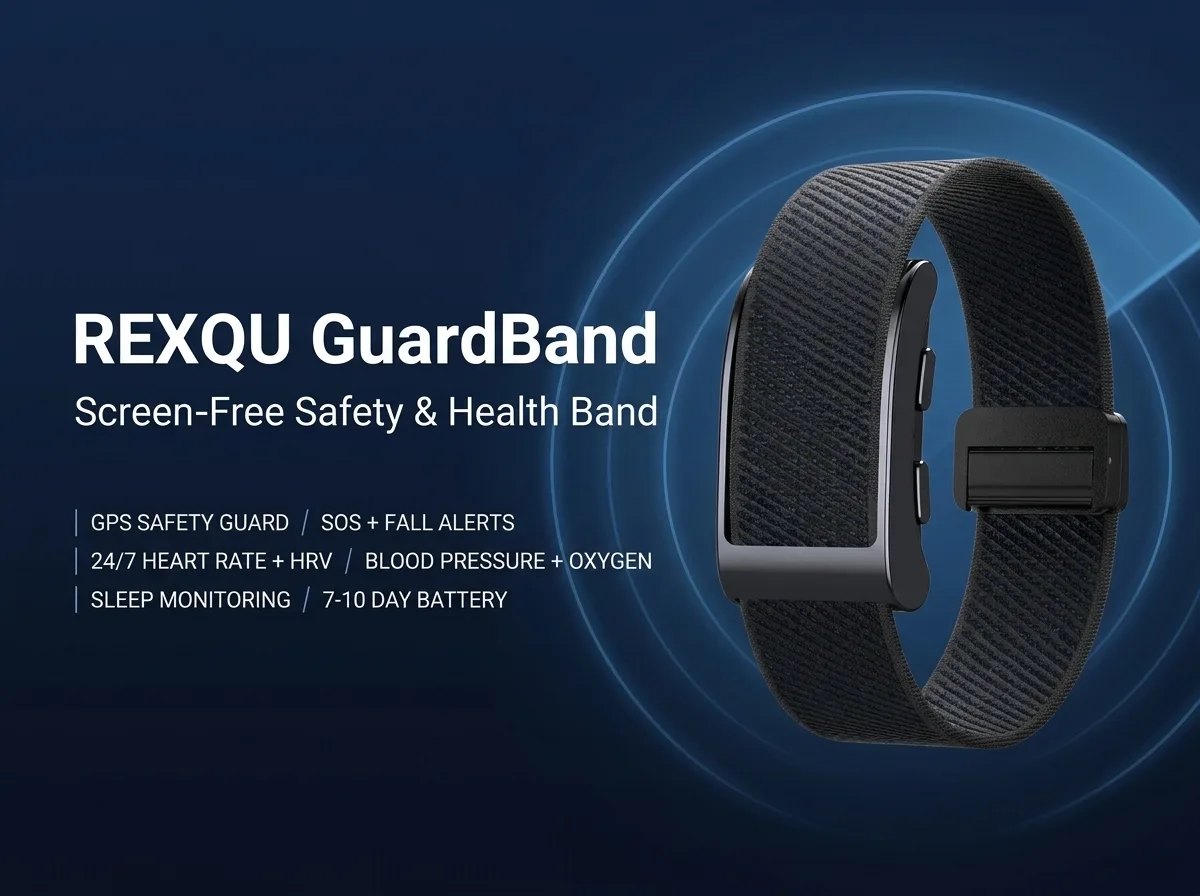
| REXQU GuardBand | $139.97 | 30 days | Fall detection, GPS, SOS |
| REXQU CardioBand | $139.97 | 30 days | Heart rate, HRV, cycle tracking |
The Fine Print That Actually Matters
Reading the screenless fitness tracker return policy closely saves you a rejected return later. To qualify, your band has to come back unworn or unused, with its charger and strap, and in the original packaging — along with your receipt or proof of purchase. Items missing their charger or strap, or showing signs of wear, aren’t eligible. Sale items and gift cards are excluded entirely, and you can’t just mail a band back unannounced: REXQU asks that you contact support first to get a return authorized before shipping anything.
If your band arrives defective, damaged, or wrong, that changes the return shipping math in your favor — REXQU covers the return postage or sends a prepaid label. Otherwise, you’re responsible for the cost of shipping it back, and your original shipping charge isn’t refunded. Once a return is accepted and inspected, refunds land on your original payment method within about 10 business days.
Why a Return Window Matters More on a Screen-Free Band
A screenless design is exactly the kind of purchase where a real trial period earns its keep. You can’t glance at a store display and judge how a band without a screen feels on your wrist, how its vibration alerts land, or whether checking data only through the G BAND app fits how you actually want to use a fitness tracker. Thirty days is long enough to wear any of the three bands through a normal week of workouts, sleep tracking, and daily notifications before deciding.
If you’re on the fence between PulseBand’s dedicated ECG sensor and CardioBand’s broader HRV and cycle-tracking feature set, that trial period is the practical way to settle it — buy the one that fits your use case best on paper, wear it for two or three weeks, and lean on the return window if it’s not the right fit rather than living with the wrong band for a year.
Before You Send a Band Back
- Export or screenshot any data you want to keep from the G BAND app — returning the hardware doesn’t guarantee you keep access to historical readings.
- Repackage the charger and strap together with the band; a return missing accessories can be refused.
- Contact REXQU support to request the return before shipping anything — unannounced packages aren’t accepted.
- If you’re in the EU, note that you actually have a 14-day cooling-off right that runs separately from the standard 30-day window, under the same unworn-condition terms.
None of REXQU’s screenless bands are medical devices — PulseBand’s ECG, GuardBand’s health metrics, and CardioBand’s HRV and blood-pressure estimates are wellness tools for tracking trends over time, not diagnostic instruments, and none of that changes how the screenless fitness tracker return policy works if you decide a band isn’t for you.
Still deciding which band fits? Browse the full screenless fitness tracker lineup, or go straight to PulseBand, GuardBand, or CardioBand for the full spec sheet on each. For a side-by-side comparison of all three, the screenless fitness tracker buying guide covers how to pick between them before your return window even starts. If you’d rather understand the psychology behind a trial period before you buy anything, Wikipedia’s overview of buyer’s remorse is a useful, independent read on why a real return window matters.