
If the numbers on your REXQU watch start drifting from what your home cuff shows, blood pressure smartwatch calibration is usually the fix — not a sign the watch is broken.
Why Blood Pressure Smartwatch Calibration Matters
Cuffless blood pressure watches, including REXQU’s VitaSync and CardioSense, estimate blood pressure from pulse wave data rather than inflating a cuff around your arm. That estimate is only as good as the baseline it’s measured against, which is exactly why blood pressure smartwatch calibration exists: it teaches the watch’s algorithm what your blood pressure actually is at a known point, using a real cuff reading as the reference.
What the Research Says
This isn’t a REXQU-specific requirement — it’s how the entire cuffless blood pressure category works today. Harvard Health Publishing notes that “all of the five currently available devices have to be periodically calibrated against a traditional cuff-based device,” and that this step can be genuinely inconvenient for some users. Skipping it, or calibrating against a cuff that’s itself poorly fitted, is one of the most common reasons cuffless readings drift over time.
How Often to Recalibrate
As a general rule, plan on an initial calibration when you first set up the watch, then a recheck every few weeks — more often if your weight, medication, or blood pressure has changed noticeably, since the pulse-wave baseline the watch relies on shifts along with those changes. Use a validated upper-arm cuff for the reference reading rather than another wrist device, and take it while seated and still, following the same posture each time for consistency.
VitaSync vs. CardioSense: Calibration in Practice
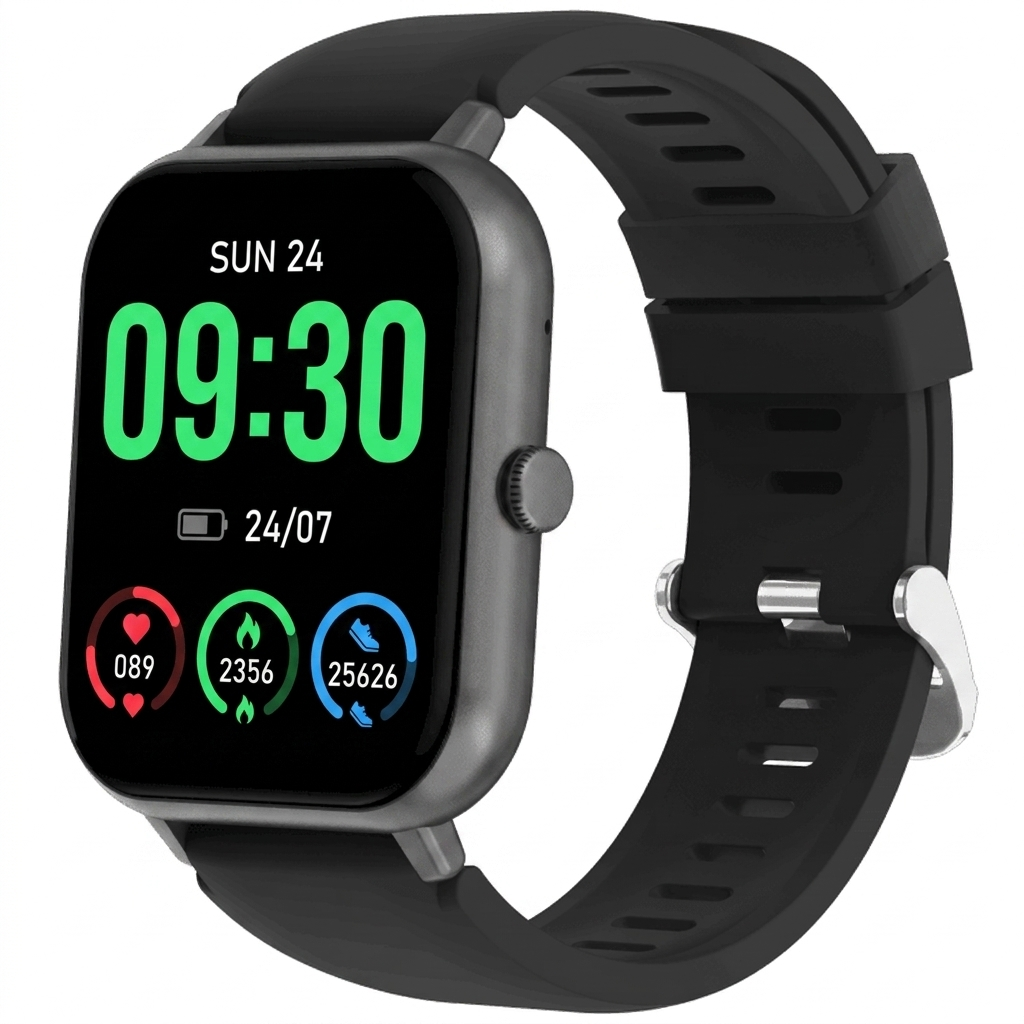
The REXQU VitaSync ($139.97) pairs blood pressure tracking with heart rate and blood oxygen monitoring on a 1.83-inch display, and is built for people who want one recalibration to hold up across 100+ sport modes and everyday wear. The REXQU CardioSense ($159.97) adds on-wrist ECG alongside blood pressure on its larger 2.01-inch display, which makes it easier to read the exact numbers you’re comparing against your cuff during calibration. Both are available on the REXQU blood pressure smartwatch page.
Keeping Readings Reliable Between Calibrations
Between calibration checks, wear the watch snugly (not loose) at the same wrist position each day, and try to measure at similar times of day — blood pressure naturally varies through the day, so comparing a morning cuff reading to an evening watch reading isn’t a fair test of calibration accuracy.
The Bottom Line
Blood pressure smartwatch calibration isn’t a one-time setup step to forget about — it’s an ongoing part of owning a cuffless device, REXQU or otherwise. This content is for general information only and isn’t medical advice; if you’re managing hypertension or another condition, use a validated cuff for clinically important decisions and talk to your doctor about how to use wearable readings alongside it.
Frequently Asked Questions
Can I calibrate using another smartwatch instead of a cuff?
No — calibrating against another wrist-based device just carries over the same estimation error rather than correcting it. The reference reading needs to come from a validated upper-arm cuff, which measures pressure directly rather than estimating it from pulse-wave data.
What if my cuff and watch never seem to match, even after recalibrating?
A persistent gap usually means the cuff was fitted incorrectly, worn over clothing, or the calibration reading was taken while moving or talking. Try recalibrating while seated, arm supported at heart height, and silent for the full reading.
Does calibration expire, or is it permanent?
It’s not permanent. Because the pulse-wave baseline a cuffless watch relies on shifts with weight, medication, fitness level, and general blood pressure trends, blood pressure smartwatch calibration is something to repeat periodically rather than a one-time setup step.