
Wondering about blood pressure smartwatch charging time before you buy one? It’s a fair question — a watch that tracks your blood pressure around the clock is only useful if it’s actually on your wrist when you need it, not sitting on a charger. Here’s what REXQU’s own blood pressure watches tell us about charging, and how to plan around it.
Blood Pressure Smartwatch Charging Time: What REXQU’s Watches Use
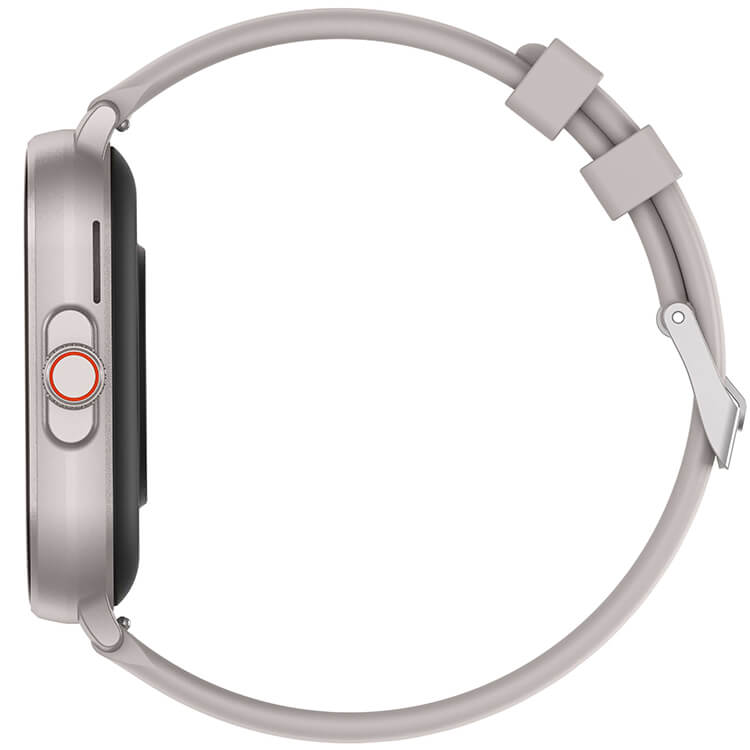
REXQU’s two blood pressure watches — VitaSync and CardioSense — both use a proprietary charging setup rather than a standard USB-C port. CardioSense uses magnetic charging: a small magnetic puck or clip snaps onto the back of the watch and holds itself in place, so there’s no fiddly pin alignment in the dark. VitaSync charges the same general way, through its own dock rather than a plug-in cable.
Neither product page publishes an exact minute-by-minute charge curve, so we won’t invent one. What we do know, from battery engineering more broadly, is that small wearable batteries — the kind inside a watch case rather than a phone — charge noticeably faster than phone-sized cells simply because there’s far less capacity to fill.
Battery Life Sets the Real Charging Rhythm
What matters more day-to-day than blood pressure smartwatch charging time itself is how often you’re doing it. Both watches are built for multi-day use between charges:
- VitaSync — 5–7 days of typical use per charge, with all-day blood pressure, blood oxygen, heart rate and sleep tracking running in the background.
- CardioSense — 5–7 days of active use, and up to 15 days in standby if you’re tracking less frequently.
In practice, that means most people land on a simple rhythm: charge for a few minutes while getting ready in the morning, or overnight every 5–6 days, and the watch rarely runs out mid-day. If you’re using it for frequent blood pressure checks throughout the day rather than just passive tracking, expect the shorter end of that 5–7 day window.
Why Magnetic Charging Matters for Health Tracking
For a watch you’re wearing to catch blood pressure trends over time, gaps in wear time are the enemy — a few missed days here and there make it much harder to spot a real pattern. Magnetic charging lowers the friction of topping up: there’s no cable to align, no port cover to pry open, and no risk of forcing a connector in wrong. You can set the watch on its puck for ten minutes while you shower and have meaningful charge back before you’re dressed.
Lithium-ion batteries — the type inside both of these watches — are also engineered to accept a fast initial charge and then taper off as they approach full, a two-stage process battery researchers call constant-current, constant-voltage charging. According to Battery University, “the advised charge rate of an Energy Cell is between 0.5C and 1C,” with full charge reached once current tapers to a small fraction of that — which is part of why a quick top-up on a small wearable battery gets you a meaningful amount of charge, even if you don’t wait for a full cycle.
Tips for Fitting Charging Into Your Routine
- Charge on a schedule, not a warning. Waiting for a low-battery alert means a day or more with no blood pressure data at all. Pick a day (e.g., every Sunday night) and stick to it.
- Keep the puck somewhere visible. Bedside tables work well, since most people remember to charge overnight rather than mid-day.
- Clean the charging contacts occasionally. Skin oils and lint can sit on the magnetic pins and slow a charge — a dry cloth wipe every couple of weeks keeps the connection solid.
Frequently Asked Questions
Does either watch support fast charging?
Neither VitaSync nor CardioSense advertises a specific “fast charge” wattage. Their small battery size means a short top-up still restores a useful amount of charge, even without a dedicated fast-charge mode.
Can I use a third-party magnetic charger?
Stick with the charging puck or dock that comes with the watch. Magnetic charging pins are positioned specifically for each model, and a mismatched third-party charger risks a poor connection or no charge at all.
Will frequent charging wear out the battery faster?
Lithium-ion batteries are designed for hundreds of charge cycles, and topping up before the battery is empty is generally easier on the cell than routinely running it down to zero — so a short blood pressure smartwatch charging time habit, done often, beats letting the battery die completely.
This article covers charging mechanics only and isn’t medical advice — for questions about your own blood pressure readings or health, talk to your doctor.
Bottom line: blood pressure smartwatch charging time is short and low-effort on both REXQU models, thanks to magnetic charging and multi-day battery life — it’s one less thing to worry about while you’re tracking your numbers. Ready to see the full lineup? Browse REXQU’s blood pressure smartwatches to compare VitaSync and CardioSense side by side, including display size, water resistance and price.