
Looking for a smartwatch for seniors with ECG and not just a heart-rate tracker? The distinction matters — heart rate monitoring flags a fast or slow pulse, but only an on-wrist ECG can record the heart’s electrical rhythm well enough to help spot something like atrial fibrillation.
This article is for general information only and is not medical advice. An on-wrist ECG is a screening tool, not a diagnostic device — always follow up unusual results with a doctor.
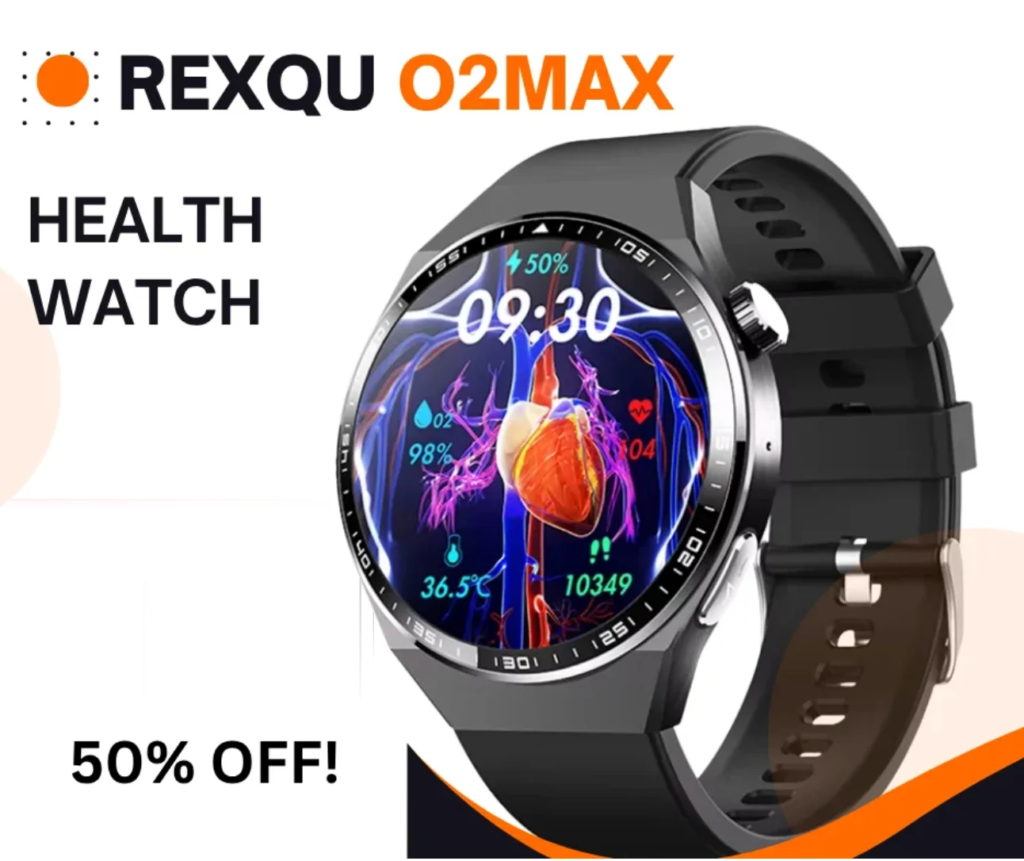
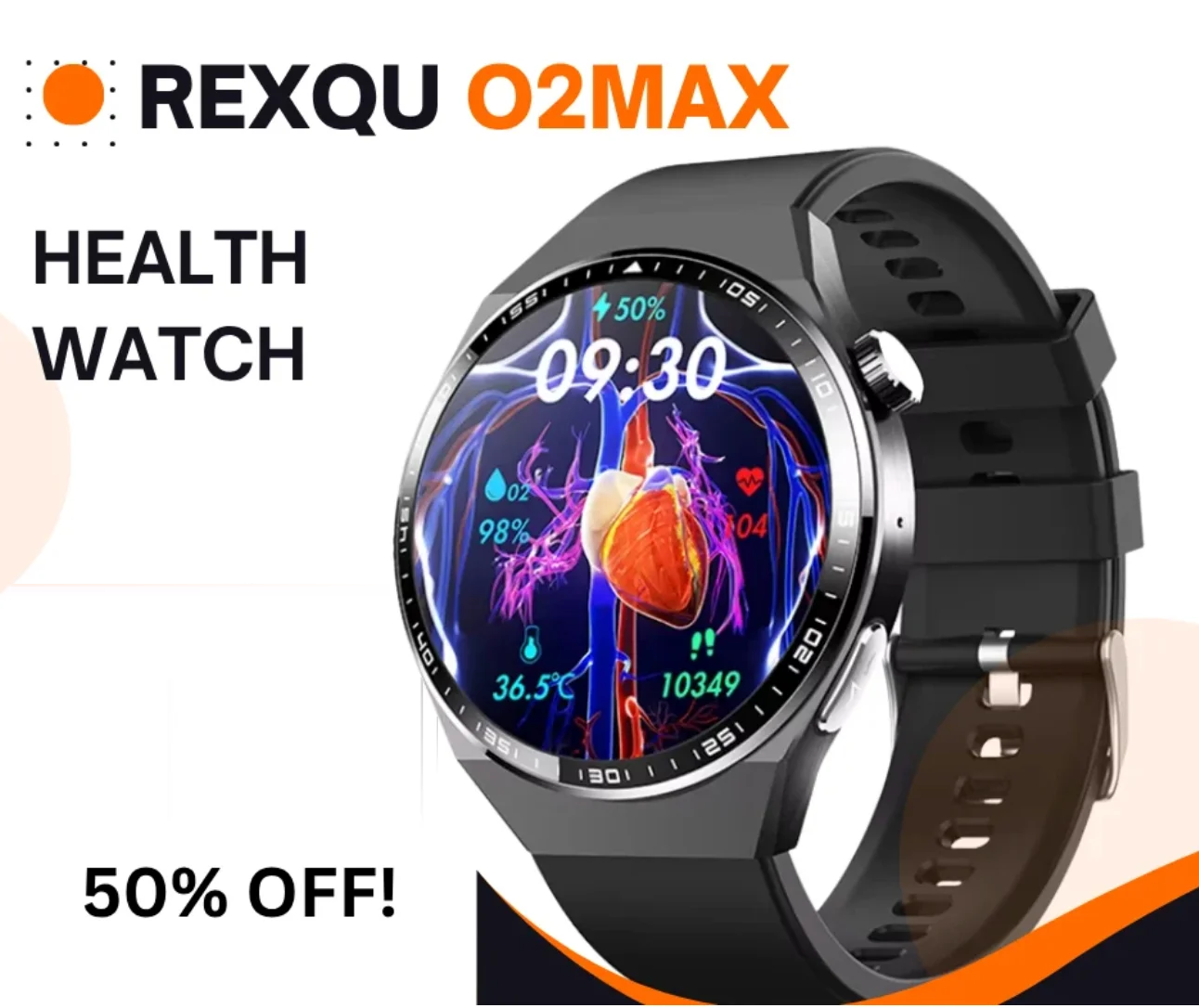
Quick answer: in REXQU’s seniors lineup, both the O2Max and IntelliFit include on-wrist ECG recording alongside blood pressure and blood oxygen tracking. The GuardBand, by contrast, focuses on GPS safety, SOS calling and fall detection, and does not list ECG among its tracked metrics. See the full range on the REXQU smartwatches for seniors collection.
Why a Smartwatch for Seniors With ECG Matters
Heart rhythm problems, especially atrial fibrillation (AFib), become significantly more common with age. According to Mayo Clinic, the risk of atrial fibrillation rises as people get older, and the condition is far more common in older adults than in younger ones — often appearing alongside other age-related contributors like high blood pressure or coronary artery disease.
That’s the practical case for choosing a smartwatch for seniors with ECG over one that only tracks heart rate: it can capture a snapshot of the heart’s rhythm on demand, something a simple pulse reading can’t do, and share that reading with a doctor if something looks off.
O2Max vs. IntelliFit vs. GuardBand: What Each One Actually Tracks
| Model | On-Wrist ECG | Blood Pressure | Blood Oxygen (SpO2) | Best For |
|---|---|---|---|---|
| O2Max | Yes | Daily tracking | One-tap checks | Seniors prioritizing blood oxygen alongside heart data |
| IntelliFit | Yes | Daily tracking | Included | Seniors who also want family/caregiver monitoring features |
| GuardBand | Not listed | Included | Included | Seniors prioritizing GPS safety and fall detection over ECG |
Both O2Max and IntelliFit describe on-wrist ECG recording as part of their “advanced features for comprehensive tracking,” letting you record a reading directly from the watch face rather than needing a separate chest strap or clinical visit. GuardBand’s own feature list — GPS positioning, SOS emergency calls, fall detection, heart rate, HRV, SpO2 and blood pressure — does not include ECG, which makes it a safety-first pick rather than a heart-rhythm-first one.
O2Max or IntelliFit: How to Choose Between the Two ECG Options
If you’re deciding between REXQU’s two ECG-equipped senior watches, the difference isn’t the ECG feature itself — both record it — it’s what’s built around it. IntelliFit leans toward family monitoring, so a caregiver can stay looped in on readings and alerts. O2Max leans toward daily wellness trend reporting, tracking how blood oxygen and heart data change day to day rather than centering on remote family visibility.
Neither model replaces a clinical ECG. Both are best used as an early-warning tool: something that can catch and log an irregular-feeling moment so you have real data to bring to a doctor, rather than relying on a “does something feel off” guess.
What to Do With an ECG Reading That Looks Unusual
If a reading on either watch flags an irregular rhythm, don’t try to interpret it alone. Save or screenshot the recording, note what you were doing at the time (resting, walking, right after waking up), and bring it to a primary care doctor or cardiologist. A single unusual reading is common and often not urgent, but a pattern of them is worth a real conversation with a clinician.
Frequently Asked Questions
Does a smartwatch for seniors with ECG replace a doctor’s ECG machine?
No. It’s a screening tool for catching potential rhythm issues between checkups, not a diagnostic-grade clinical device.
Can GuardBand be upgraded to add ECG later?
No — ECG recording depends on hardware built into the watch, so it isn’t something added after purchase. If ECG is a priority, choose O2Max or IntelliFit from the start.
Is ECG tracking useful for seniors without a known heart condition?
It can still be useful as a baseline and an early-warning tool, since rhythm issues like AFib often develop with age even without a prior diagnosis — though anyone with specific health concerns should talk to their doctor rather than rely on a watch alone.
Bottom line: for a smartwatch for seniors with ECG specifically, O2Max and IntelliFit are REXQU’s two options — pick between them based on whether daily wellness trends (O2Max) or family/caregiver monitoring (IntelliFit) matters more to your situation. Compare all three watches on the REXQU smartwatches for seniors page.