
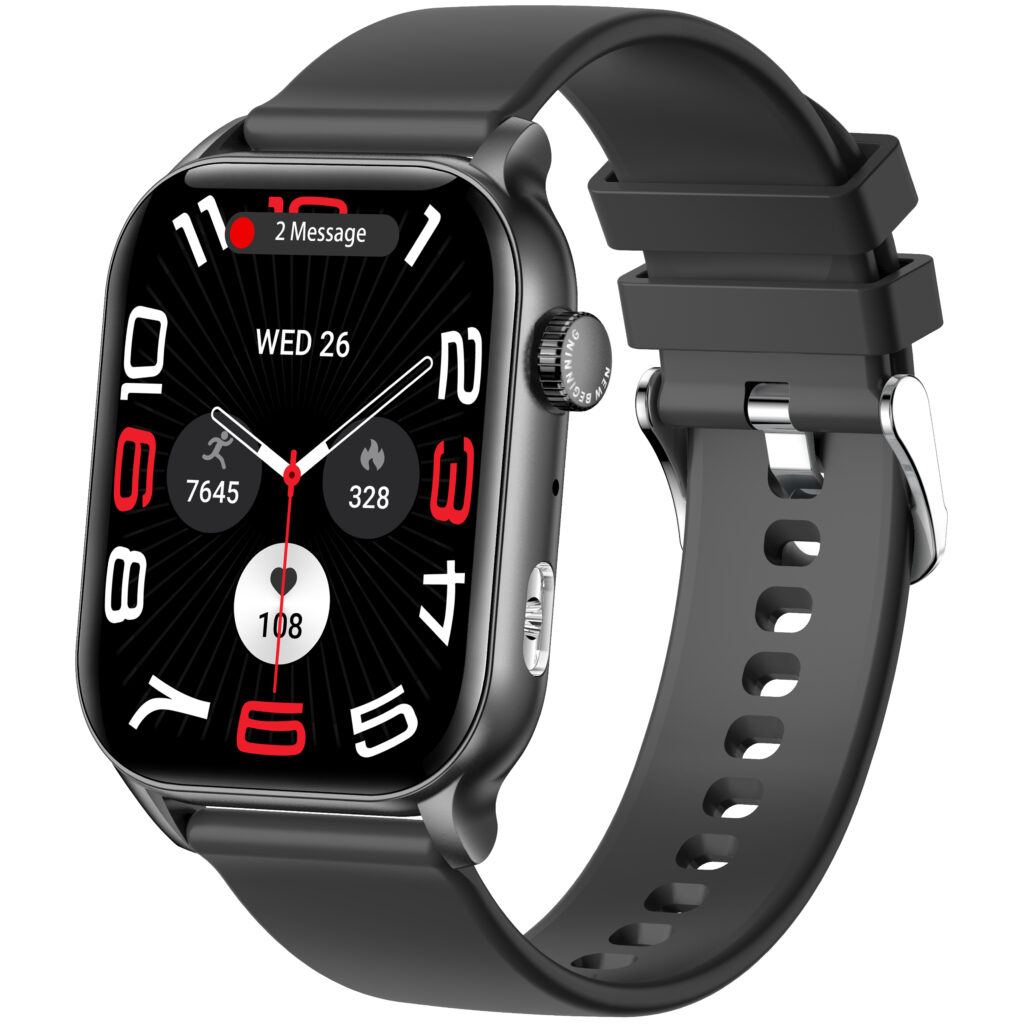
Need a smartwatch flashlight for reading in bed without flipping on a bedside lamp and waking up whoever’s next to you? The built-in light on the REXQU Prisma is small, dim enough to control, and sits right on your wrist — which makes it a genuinely better option than a phone screen or a lamp for this one specific situation.
This isn’t about camping or power outages — it’s the narrower, everyday case of needing just enough light to read a page, find a glass of water, or check on a kid down the hall without lighting up the whole room.
Why a Smartwatch Flashlight for Reading in Bed Beats the Alternatives
A phone screen throws cool, wide light straight at your face from a few inches away — exactly the kind of exposure sleep researchers flag as disruptive. The American Academy of Sleep Medicine notes that bright light exposure at night can suppress melatonin production, the hormone that regulates your sleep-wake cycle. A bedside lamp solves the brightness problem but usually floods the whole room, which is a bigger disruption if someone else is trying to sleep.
A wrist-mounted LED splits the difference: it’s close enough to read by, small enough not to flood the room, and pointed down at a book rather than up at your eyes or your partner’s.
What the Prisma Actually Offers
REXQU’s Prisma is built as an everyday health watch rather than a rugged outdoor one, which is exactly why it works so well as a smartwatch flashlight for reading in bed rather than a trail light:
- Weight: 30 grams — light enough to forget you’re wearing it in bed
- Display: 1.95-inch AMOLED, 410×502 resolution
- Flashlight: built-in LED, controlled from the watch face
- Battery: 5–7 days of typical use, up to 30 days standby
- Water resistance: IP67
- Charging: magnetic puck charging
- Price: $129.97
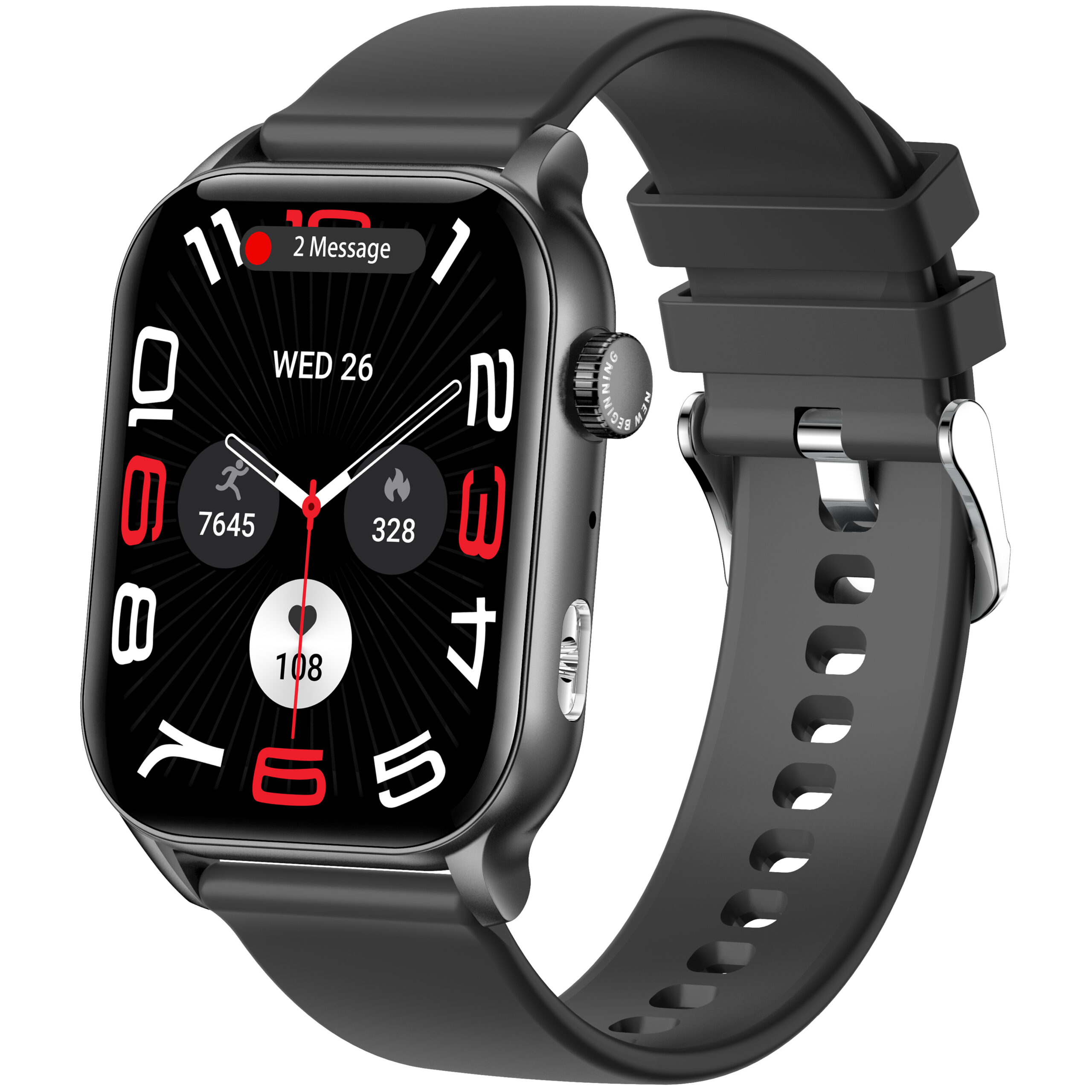
Because the flashlight sits on your wrist rather than in your hand, you can hold a book open with both hands and still aim the light at the page — something neither a phone nor a handheld flashlight lets you do comfortably.
Getting the Brightness Right
The biggest adjustment compared to a phone flashlight is intensity. A phone’s camera LED is built for illuminating a room, not a page a foot from your face, so most people find a wrist flashlight set to its lower level is plenty for reading — bright enough to make out text, dim enough that it doesn’t wake you up further or bother anyone turned away from you. If you’re sharing a bed, angling your wrist slightly downward toward the page, rather than up and around the room, keeps the light contained to exactly where you need it.
If you also camp, walk the dog at night, or want something for real emergencies, our rugged EnduroBeam puts out considerably more throw — but that extra brightness is the opposite of what you want for reading next to a sleeping partner.
Quick FAQ
Will the flashlight drain the battery overnight? A few minutes of use here and there for reading has a negligible effect — Prisma’s flashlight is designed for short bursts, not continuous use, and the watch still comfortably covers 5–7 days between charges with normal use.
Can I turn the display brightness down separately from the flashlight? Yes — the AMOLED display and the flashlight are controlled separately, so you can keep the screen dim at night while still having a usable flashlight when you need one.
Is any smartwatch flashlight bright enough to replace a reading lamp entirely? Not quite, and that’s by design — a watch-mounted LED is meant to be a low, contained light source for a few minutes of reading or a quick task, not a substitute for proper task lighting if you’re reading for an hour or more.
Between the contained beam, the low weight, and the separate brightness controls, Prisma covers the smartwatch flashlight for reading in bed use case better than most people expect from a feature that’s usually marketed around camping and emergencies.
Want to see the Prisma alongside the rest of the lineup? Browse every REXQU smartwatch with a built-in flashlight or go straight to the Prisma product page for colors and current pricing.