
Blood pressure smartwatch timing is easy to overlook when you’re focused on specs and price, but it quietly decides whether your trend line actually means anything from one day to the next. Blood pressure naturally rises and falls over a 24-hour cycle, so a reading taken at 7am and one taken at 9pm can look like two different people. If you want numbers you can actually compare, the clock matters almost as much as the cuff — or in this case, the sensor.
Why Blood Pressure Smartwatch Timing Changes Your Numbers
Blood pressure typically climbs in the hour or two after waking (often called the “morning surge”), settles through the middle of the day, and drifts lower in the evening as the body winds down. None of that is a malfunction — it’s normal circadian rhythm. But it means a single blood pressure smartwatch reading, taken at a random moment, tells you much less than a handful of readings taken at the same time every day.
That’s the real value of a wrist-worn wellness tracker over an occasional cuff check at the pharmacy: it’s on your wrist all day, so building a consistent habit costs you nothing extra.
Morning vs Evening: What Each Reading Tells You
On the REXQU VitaCore, blood pressure wellness checks are on-demand rather than continuous background monitoring — you open the app or tap the watch and take a spot reading on its 2.04-inch always-on AMOLED display. That design actually makes blood pressure smartwatch timing more important, not less, because you’re choosing the moment yourself.
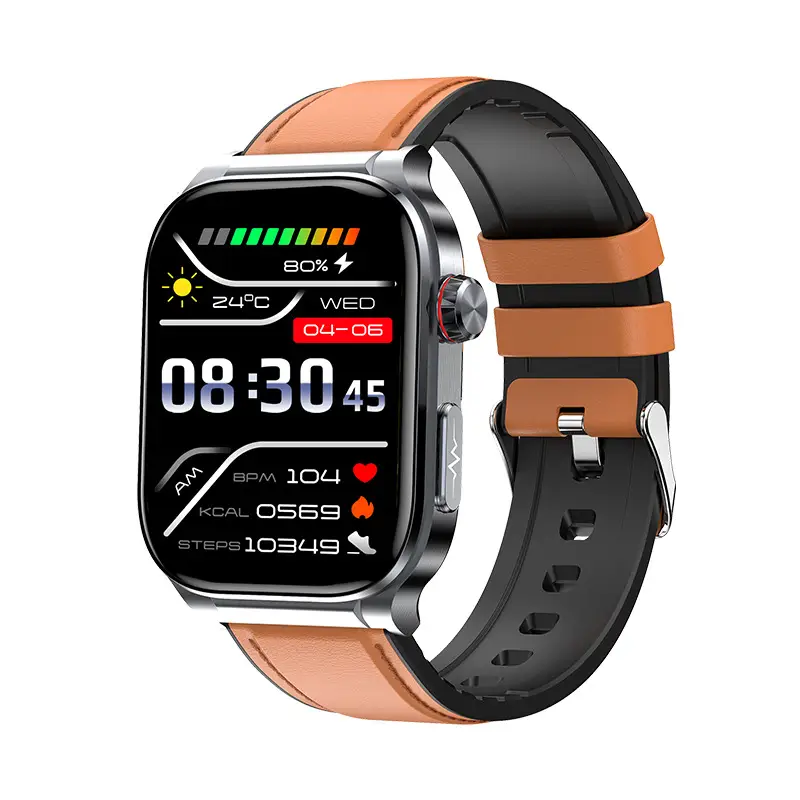
A morning reading, taken before coffee and before you’ve gotten moving, tends to reflect your baseline most clearly. An evening reading shows how the day’s activity, stress, and caffeine have layered on top of that baseline. Neither one is “more correct” — they’re answering different questions. Tracking both, at consistent times, is what turns individual numbers into a usable trend.
Building a Blood Pressure Smartwatch Timing Routine That Sticks
A few habits make blood pressure smartwatch timing easier to stick with:
- Pick two fixed windows — for example, within 30 minutes of waking, and again before dinner — rather than “whenever I remember.”
- Sit still for a few minutes first. Movement, talking, or a brisk walk to the kitchen right before a reading will skew it high.
- Keep caffeine and the reading separate. Coffee can temporarily raise readings, so measuring before your first cup gives a cleaner morning baseline.
- Log it the same way every time so your trend history in the REXQU app is actually comparing like with like.
The American Heart Association’s guidance on home blood pressure monitoring makes a similar point about cuff-based monitors: consistency in timing and position matters as much as the device itself. The same logic applies to a wrist-worn wellness tracker, even though it’s built for convenient trend awareness rather than clinical diagnosis.
Where VitaCore Fits Into a Timing Routine
VitaCore isn’t just a blood pressure tracker — it also covers ECG, SpO₂, skin temperature, and stress alongside sleep, which makes it easy to glance at several wellness signals during the same morning or evening check-in instead of juggling separate apps. At $149.97, it sits in the middle of REXQU’s lineup, priced for someone who wants one on-demand routine rather than constant background alerts.
If background, hands-off tracking appeals to you more than an on-demand routine, REXQU’s other blood pressure smartwatch models in the blood pressure smartwatches collection take that approach instead — worth comparing before you decide which habit actually fits your day.
Frequently Asked Questions
Does it matter if I switch between morning and evening readings? It’s fine occasionally, but try to anchor at least one reading to the same time daily so you have a stable comparison point over weeks.
Should I take a reading right after exercise? No — wait at least 20–30 minutes so your heart rate and circulation settle first.
REXQU’s blood pressure smartwatch features are designed for wellness trend awareness, not medical diagnosis or treatment. Talk to a healthcare professional about your blood pressure, especially if a reading concerns you, and use a validated cuff device for any reading that needs to inform a medical decision.